
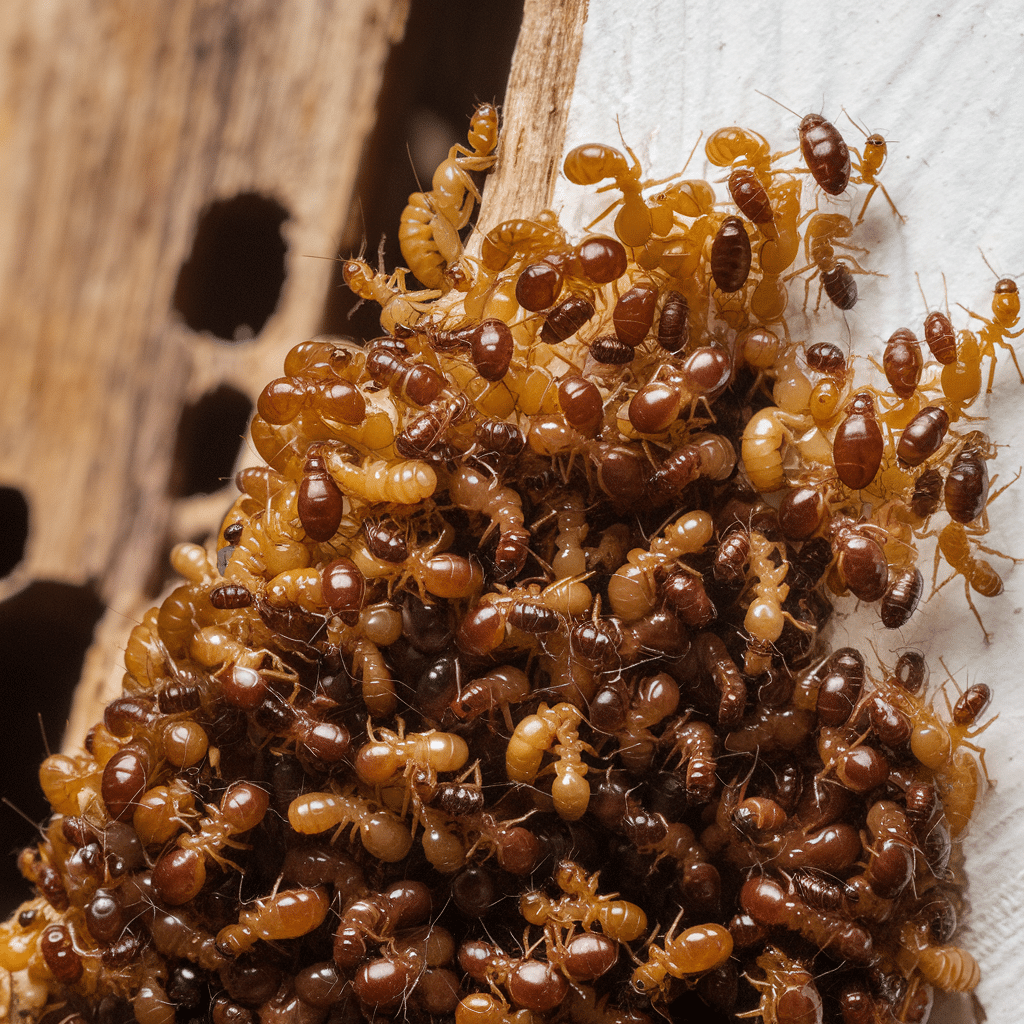
Are Pests Still Active in January? What Homeowners Should Know
Many homeowners assume that once winter arrives, pest problems disappear. Cold temperatures, snow, and freezing conditions often give the impression that insects and rodents go dormant until spring. However, the reality is very different. While some pests do slow down during winter, many remain active — and January can actually be one of the most common times for indoor infestations.
Understanding which pests are still active in winter and how they behave can help homeowners take proactive steps to protect their homes during the colder months.
Why Pests Don’t Disappear in Winter
Pests are driven by two basic needs: shelter and food. When outdoor temperatures drop, many pests seek warmth and protection indoors. Homes, apartments, and commercial buildings provide ideal environments where pests can survive throughout winter.
Cracks in foundations, gaps around doors and windows, attic vents, crawl spaces, and utility openings all serve as easy entry points. Once inside, pests can remain active year-round — even when outdoor conditions are harsh.
Common Pests That Stay Active in January
Rodents
Rodents are among the most active winter pests. Mice and rats actively seek shelter indoors as temperatures drop, making January a peak time for infestations. Once inside, rodents can cause structural damage, contaminate food, and pose health risks through droppings and urine.
Ants
While outdoor ant activity slows in winter, certain species can remain active indoors. If ants have already established a nest inside walls or foundations, they may continue searching for food throughout January.
Cockroaches
Cockroaches thrive in warm, humid environments and are well-known for surviving winter indoors. Kitchens, bathrooms, basements, and utility rooms provide ideal hiding places, making January a common time for homeowners to notice roach activity.
Bed Bugs
Bed bugs are unaffected by seasonal temperature changes inside a home. They remain active all year and often spread through travel, guests, or secondhand furniture — even during winter months.
Spiders
While many spiders die off in cold weather, others move indoors to survive. January is often when homeowners notice spiders in basements, garages, and storage areas.
Why Winter Pest Problems Can Be Worse Indoors
Because homes are sealed up tightly during winter to conserve heat, pests that get inside are more likely to stay. Reduced airflow, stored food, and less frequent inspections of basements and crawl spaces can allow infestations to grow unnoticed.
Additionally, winter infestations are often harder to detect until they become more established, which can lead to larger problems by early spring.
How Homeowners Can Prevent Winter Pest Infestations
Seal Entry Points
Because homes are sealed up tightly during winter to conserve heat, pests that get inside are more likely to stay. Reduced airflow, stored food, and less frequent inspections of basements and crawl spaces can allow infestations to grow unnoticed.
Eliminate Food Sources
Store food in sealed containers, clean up crumbs promptly, and avoid leaving pet food out overnight. Even small food sources can attract pests during winter.
Reduce Clutter
Cluttered basements, garages, and storage areas provide ideal hiding spots for pests. Keeping these areas organized makes infestations easier to detect and prevent.
Maintain Regular Pest Control
Preventative pest control services are one of the most effective ways to stop winter infestations before they start. Routine inspections and treatments help identify early signs of activity and eliminate pests before they become a larger issue.
Is January a Good Time for Pest Control Services?
Yes — January is actually an excellent time for pest control. Treating your home during winter can help eliminate existing pests and prevent infestations from carrying into spring. Preventative maintenance during colder months reduces the likelihood of increased pest activity when temperatures rise.
Professional pest control technicians can identify hidden infestations, seal vulnerabilities, and implement targeted treatments designed for winter pest behavior.
Protect Your Home from Pests This Winter
Pests don’t take the winter off — and neither should your pest control strategy. Whether it’s rodents seeking warmth, insects nesting indoors, or year-round pests like bed bugs and cockroaches, January infestations are more common than many homeowners realize.
If you suspect pest activity or want to take a proactive approach, scheduling professional pest control services during winter can help keep your home protected and pest-free all year long.


