
Why Honey Bee Colonies Struggle and How Homeowners Can Help
Honey bees play an important role in agriculture, helping pollinate many of the fruits, vegetables, and other crops people depend on. However, reports of disappearing bee colonies and declining pollinator populations have raised an important question: Are honey bees endangered?
The answer is more complicated than many headlines suggest. Managed honey bees are not considered an endangered species in the United States, but beekeepers continue to experience significant colony losses caused by parasites, diseases, environmental pressures, and other factors.
Understanding these challenges can help homeowners throughout Northwest Indiana and Illinois make informed decisions about protecting pollinators while managing unwanted insects around their properties.
Are Honey Bees Actually Endangered?
Honey bees are not currently classified as endangered in the United States. Unlike many wild bee species, honey bees are widely managed by professional and recreational beekeepers who maintain colonies for honey production and agricultural pollination.
However, this does not mean honey bees are free from danger.
Beekeepers regularly lose colonies and must invest time and resources into maintaining healthy populations. A large number of lost colonies can create serious challenges for agricultural operations that depend on pollination.
It is also important to distinguish honey bees from native bees.
Honey bees were introduced to North America centuries ago. Native bees, including many bumblebees and solitary bee species, support local ecosystems and may face different conservation risks.
Protecting pollinators means considering the health of both managed honey bees and native bee populations.
Why Are Honey Bees Important to Our Food Supply?
Honey bees contribute to food production by transferring pollen between flowers, allowing many plants to produce fruits, seeds, and nuts.
Without adequate pollination, certain agricultural crops could experience reduced yields and lower quality harvests.
What Foods Depend on Honey Bee Pollination?
Honey bees support the production of many familiar foods, including:
- Apples and cherries
- Almonds
- Blueberries
- Cucumbers
- Melons
- Pumpkins and squash
Not every crop requires honey bee pollination. Some plants rely on wind, self pollination, or other pollinating insects.
Nevertheless, healthy bee populations remain important for agricultural productivity and the diversity of foods available to consumers.
What Is Colony Collapse Disorder?
Colony Collapse Disorder, commonly called CCD, gained widespread attention in 2006 and 2007 when beekeepers began reporting unusual losses of honey bee colonies.
In affected colonies, most adult worker bees disappeared, leaving behind the queen, developing bees, and stored food.
Without enough worker bees to maintain the colony, the remaining bees could not survive.
Is Colony Collapse Disorder Still a Problem?
Colony Collapse Disorder remains an important topic in honey bee research, but it is not responsible for every colony that dies.
However, significant colony losses continue because of several overlapping threats.
Understanding this distinction is important. A struggling bee colony does not necessarily indicate Colony Collapse Disorder, and not every colony loss has the same cause.
What Are the Biggest Threats to Honey Bees Today?
Honey bee health is affected by several interconnected challenges. Some directly affect individual bees, while others weaken colonies over time.
Parasites and Diseases
One of the most serious threats to managed honey bees is the Varroa mite, a parasite that feeds on bees and spreads harmful viruses.
Heavy mite infestations can weaken colonies and contribute to substantial losses.
Other pathogens and diseases can further affect colony health, making proper monitoring and management essential for beekeepers.
Habitat Loss and Poor Nutrition
Bees need reliable access to pollen and nectar throughout the growing season.
When natural habitats disappear or flowering plants become less available, bees may struggle to obtain the nutrients needed to support healthy colonies.
Urban development, changes in land use, and limited plant diversity can reduce available food sources.
Pesticide Exposure
Certain pesticides can harm bees when applied incorrectly or used in locations where pollinators are actively feeding.
Potential effects depend on the product, exposure level, and application conditions.
Using pesticides responsibly and following label instructions can help reduce unnecessary risks to beneficial insects.
Changing Weather Conditions
Extreme temperatures, drought, and unusual weather patterns can affect flowering seasons and the availability of food.
These conditions may also increase stress on colonies already dealing with disease, parasites, or inadequate nutrition.
How Can Homeowners Help Protect Honey Bees?
Protecting pollinators does not require becoming a beekeeper. Simple landscaping and property maintenance decisions can help create better conditions for bees.
Plant Flowers That Support Pollinators
Choose a variety of native flowering plants that bloom during different parts of the growing season.
Providing flowers from spring through fall helps support pollinators when different food sources become available.
Native plants can also benefit local bee species that depend on specific habitats.
Use Pesticides Responsibly
Avoid unnecessary pesticide applications, particularly around flowering plants visited by bees.
When treatment is necessary, identify the pest correctly, follow all product label instructions, and consider methods that minimize exposure to beneficial insects.
Provide Suitable Pollinator Habitat
Allowing certain garden areas to remain less disturbed can support native bees that nest in soil or hollow plant stems.
Keeping flowering plants healthy and maintaining suitable habitat can benefit local pollinator populations.
These simple changes help homeowners balance landscape maintenance with environmental responsibility.
What Should You Do If Honey Bees Are Nesting Near Your Home?
Finding bees around your property does not automatically mean they need to be removed.
Honey bees commonly visit gardens while collecting pollen and nectar. This is normal behavior and generally does not require pest control treatment.
However, a large group of bees near an entrance, outdoor gathering area, or building opening may require additional attention.
Understand the Difference Between a Swarm and an Established Colony
A honey bee swarm occurs when a group of bees temporarily gathers while searching for a new nesting location.
Swarms may cluster on tree branches, fences, or other outdoor surfaces before moving elsewhere.
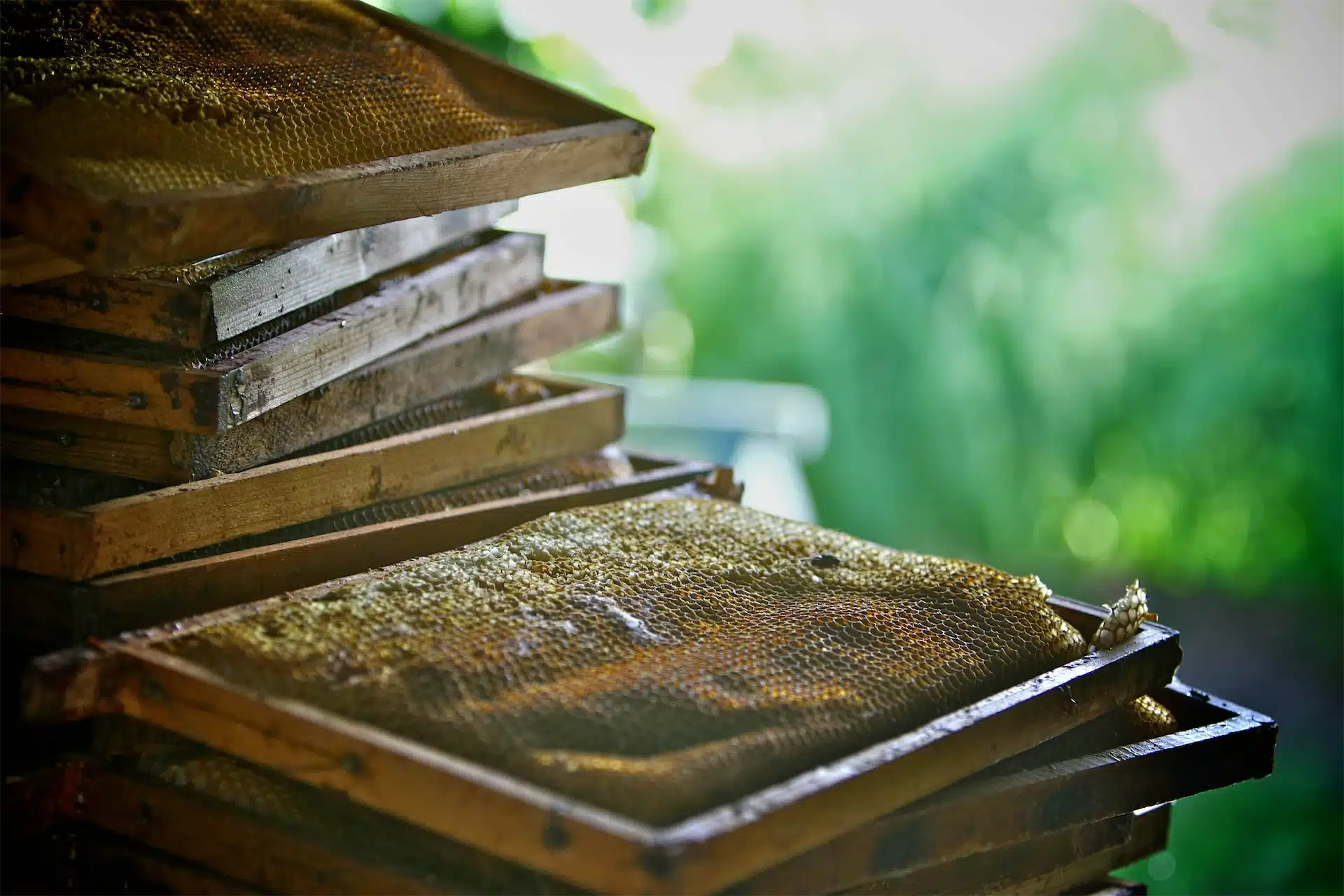
An established colony, on the other hand, may build a honeycomb inside a tree cavity, wall void, or other protected location.
Consider Professional Bee Relocation
If honey bees establish a colony in an inconvenient or potentially hazardous location, contacting an experienced beekeeper or qualified bee removal specialist is often the preferred first step.
Relocation may be possible depending on the colony’s location and accessibility.
Avoid disturbing the bees or attempting to remove an established colony without the necessary experience and protective equipment.
Proper insect identification is also important because honey bees, yellow jackets, and other stinging insects may require different management approaches.
How Does Responsible Pest Control Help Protect Pollinators?
Effective pest control begins with identifying the insect and determining whether treatment is necessary.
Not every flying insect around a property presents the same concern.
Honey bees and many other pollinators provide valuable environmental benefits. Yellow jackets, hornets, and certain other stinging insects may create different risks when nesting near frequently used areas.
Rapid Pest Solutions provides professional pest management services for residential and commercial properties throughout Northwest Indiana and the surrounding Illinois suburbs.
Our approach emphasizes property inspections, pest identification, targeted treatment recommendations, and preventative maintenance.
By addressing specific pest problems rather than treating every insect the same way, homeowners can make more informed decisions about managing their properties.
Frequently Asked Questions
Are Honey Bees Going Extinct?
Honey bees are not currently considered an endangered species in the United States. Managed colonies remain widespread, although beekeepers experience substantial losses that can affect agricultural pollination. Several native bee species face greater conservation concerns.
What Is the Biggest Threat to Honey Bees?
Varroa mites and the viruses they transmit are among the most serious threats to managed honey bees. Poor nutrition, pesticide exposure, diseases, and environmental stress can also contribute to colony losses.
Can Honey Bees Survive Without Beekeepers?
Honey bees can establish colonies without human management, but unmanaged colonies may face significant challenges from parasites, diseases, and environmental conditions. Beekeepers help maintain managed populations through monitoring, disease management, and colony care.
Should You Remove a Honey Bee Nest From Your Yard?
Not necessarily. A colony located away from frequently used areas may not require intervention. However, bees nesting inside walls or near busy entrances may present practical or safety concerns. A qualified beekeeper or bee removal specialist can help determine whether relocation is appropriate.
What Is the Difference Between Honey Bees and Wasps?
Honey bees generally have hairy bodies that help them collect pollen, while many wasps have smoother bodies and narrower waists. Honey bees primarily gather nectar and pollen, whereas wasps may hunt other insects or search for sugary foods. Proper identification is important before attempting insect control.
Protect Your Property While Supporting Beneficial Pollinators
Honey bees face real challenges, but understanding their importance helps homeowners make better decisions about protecting them.
Maintaining flowering plants, reducing unnecessary pesticide exposure, and responding appropriately to bee activity can all contribute to a healthier environment.
When unwanted stinging insects create concerns around your property, professional identification and targeted pest management can help determine the most appropriate response.
Rapid Pest Solutions proudly serves homeowners and businesses throughout Northwest Indiana and the surrounding Illinois suburbs with customized pest control services focused on prevention and responsible treatment.
Need help identifying stinging insects around your home or business? Contact Rapid Pest Solutions or call 219 836 5066 to request a free consultation and estimate for professional pest management services.


