
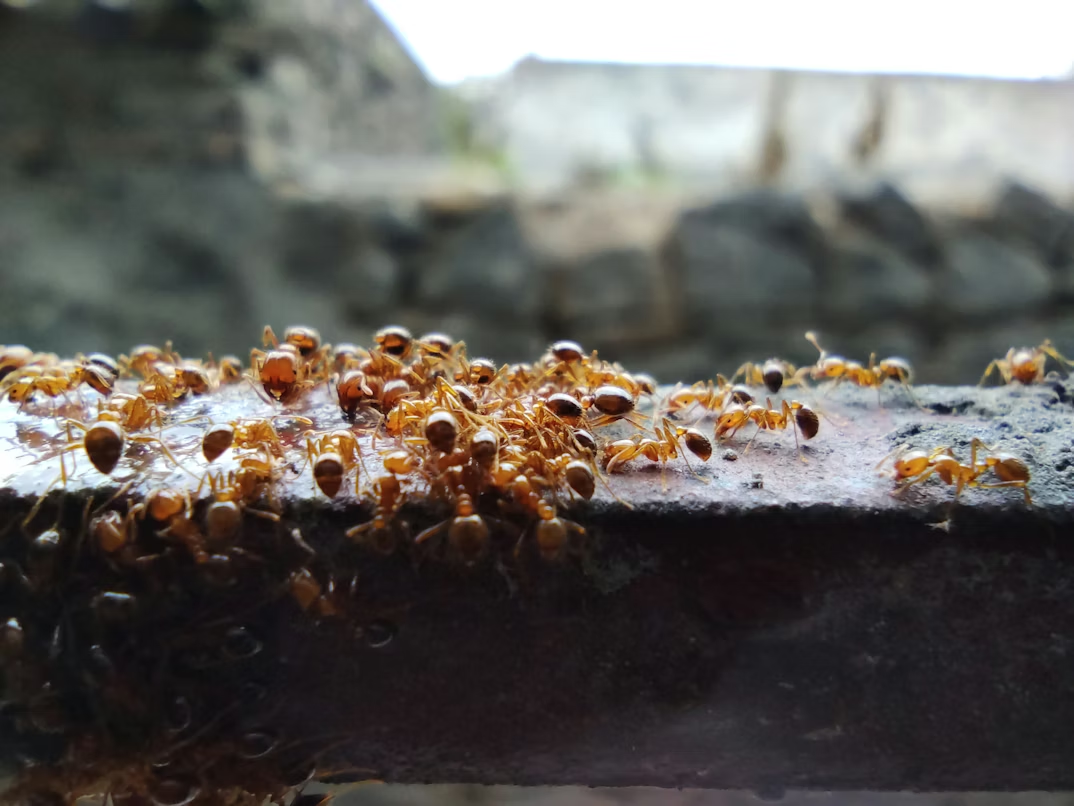
Why Do Ants Suddenly Appear in Kitchens? Causes and Prevention Tips
You walk into your kitchen one morning and notice a few ants crawling across the countertop. By the afternoon, dozens seem to be following the same path toward your sink or pantry. If this sounds familiar, you might wonder why ants suddenly appear in kitchens, even when everything seems clean.
Ants typically enter homes while searching for food, water, or suitable shelter. Small crumbs, moisture around plumbing, and tiny openings around windows or foundations can make kitchens attractive to these insects. Once ants discover a reliable food source, more may follow.
At Rapid Pest Solutions, we help homeowners throughout Northwest Indiana and Illinois understand and address pest problems through inspections, targeted treatment, and preventative pest control.
Knowing what attracts ants and how to reduce those conditions can help you take action before a small nuisance becomes a recurring problem.
Common Reasons Ants Suddenly Appear in Kitchens
Ants rarely appear in kitchens without a reason. Although their arrival may seem sudden, their activity often begins when worker ants discover accessible resources inside a home.
Several conditions can attract ants, even in kitchens that are cleaned regularly.
Food Crumbs and Unsealed Food Containers
Food is one of the most common reasons ants enter kitchens.
Depending on the species, ants may be attracted to sugar, grease, protein, or other food residues. Even small amounts left behind after preparing meals can become an accessible food source.
Common attractants include:
- Crumbs underneath appliances and kitchen cabinets
- Spilled juice, syrup, or other sugary liquids
- Grease residue around cooking surfaces
- Open cereal, flour, or snack containers
- Pet food left in bowls overnight
- Food waste inside garbage containers
A kitchen does not have to be visibly dirty to attract ants. Small residues hidden in corners or beneath appliances may be enough to encourage activity.
Moisture Around Sinks and Appliances
Ants also need access to water, which makes kitchens attractive when moisture is readily available.
Leaking faucets, damp cabinets, condensation, and small plumbing leaks may provide water sources for foraging ants.
Check areas underneath sinks, around dishwashers, and behind refrigerators for signs of excessive moisture.
Addressing these conditions can make your kitchen less attractive to ants while helping prevent other moisture related pest concerns.
Small Cracks and Hidden Entry Points
Ants can enter through tiny openings that homeowners may not notice.
Gaps around windows, damaged weatherstripping, cracks in foundations, and openings around plumbing or utility lines can provide access.
Some ants establish colonies outdoors and travel inside while searching for food. Others may nest within protected building spaces, depending on the species.
This means the source of kitchen ants is not always located inside the kitchen itself.
Seasonal Activity and Changes in Weather
Seasonal conditions can also explain why ants seem to appear unexpectedly.
During spring and summer, warmer temperatures can increase activity among many ant species as workers search for food.
Heavy rainfall, unusually dry conditions, or disturbances around outdoor nesting areas may also influence ant movement.
For homeowners in Northwest Indiana and the surrounding Illinois suburbs, changes in weather can be a useful reminder to inspect kitchens, entry points, and areas around the home’s exterior.
However, the exact cause of a sudden appearance depends on the ant species and property conditions.
How a Few Ants Can Quickly Become an Ant Trail
Spotting one or two ants may not seem concerning. However, certain ant species use chemical signals to communicate with other members of their colony.
These signals can explain why a few scattered insects sometimes turn into a noticeable line of ants moving across your kitchen.
Scout Ants Search for Food and Water
Worker ants leave their colonies to search for resources.
When an ant discovers an accessible food source, it may leave a chemical trail called a pheromone trail. Other ants can follow this trail toward the food.
As more ants travel along the same route, the activity may become increasingly noticeable.
This is why homeowners sometimes find ants following consistent paths along baseboards, countertops, or cabinet edges.
Removing Visible Ants May Not Solve the Problem
Cleaning up a group of ants can temporarily reduce visible activity, but it does not necessarily address the colony or the conditions attracting them.
If food remains accessible or ants can still enter through the same opening, additional workers may return.
Likewise, a colony may be located outdoors rather than behind the kitchen wall.
Understanding where ants travel and what attracts them is an important part of choosing an appropriate control strategy.
Effective Ant Prevention Tips for Your Kitchen
The best approach to preventing kitchen ants involves reducing access to food and water while limiting opportunities for ants to enter.
Although no prevention strategy guarantees that ants will never appear, regular maintenance can make your property less attractive to them.
Keep Food Storage and Preparation Areas Clean
Consistent cleaning is one of the simplest ways to discourage ants.
Focus on areas where food residue can accumulate without being noticed.
Practical prevention habits include:
- Store pantry foods in tightly sealed containers.
- Wipe countertops after preparing meals.
- Sweep or vacuum crumbs around cabinets and appliances.
- Wash dishes promptly instead of leaving food residue overnight.
- Empty kitchen garbage regularly and clean the container when needed.
- Remove leftover pet food and clean feeding areas.
These small steps reduce accessible food sources that might encourage ants to forage indoors.
Eliminate Unnecessary Moisture
Check your kitchen for plumbing leaks, standing water, and other moisture concerns.
Repair dripping faucets, dry damp cabinets, and inspect areas underneath sinks for water accumulation.
Cleaning up spills promptly and maintaining plumbing fixtures can help reduce conditions that attract ants.
Inspect and Seal Potential Entry Points
Take time to inspect the areas where ants appear.
Watch for movement around windows, doors, baseboards, and openings near plumbing.
If you can identify where ants enter, sealing appropriate cracks and gaps may help prevent future access.
Remember that ants can travel from outdoor colonies into a building. Exterior inspections are often just as important as checking the kitchen itself.
Clean Ant Trails and Monitor Recurring Activity
When you discover ants moving along a countertop or floor, try to identify where they are traveling before cleaning the area.
A mild household cleaning solution can help remove food residue and disrupt the scent trails used by certain ant species.
However, ants may establish another route if attractive resources remain available.
If you use ant baits, follow the product label carefully. Avoid disturbing the area immediately surrounding an active bait station, since this may interfere with ants reaching the bait.
Never apply pesticide products to food preparation surfaces unless the product label specifically permits that use.
If ants continue returning after basic prevention efforts, professional assistance may help identify the underlying problem.
Signs Your Kitchen Ant Problem May Need Professional Treatment
Occasional ant activity does not always require professional treatment.
However, repeated or widespread activity may indicate that basic cleaning and entry point maintenance are not enough.
Warning Signs of a Recurring Ant Problem
Consider requesting an inspection if you notice:
- Ant trails returning repeatedly after cleaning
- Large numbers of ants appearing in multiple areas
- Ant activity continuing despite removing food sources
- Ants emerging from wall openings or inaccessible spaces
- Suspected nesting activity inside the building
- Difficulty identifying the ants or locating their entry points
Different ant species can require different management approaches. Understanding the specific pest involved is important before choosing a treatment.
How Rapid Pest Solutions Approaches Ant Control
Rapid Pest Solutions provides ant control and prevention services for residential and commercial properties throughout Northwest Indiana and Illinois.
Our prevention focused approach begins with understanding the problem and evaluating the conditions that may be contributing to pest activity.
Depending on the property and infestation, this process may involve:
- Inspection: Examining visible pest activity, possible entry points, and surrounding conditions.
- Identification: Determining the pest type and evaluating the extent of activity.
- Targeted Treatment: Recommending appropriate treatment options based on the problem.
- Prevention: Identifying practical measures to reduce food, moisture, shelter, or access.
- Ongoing Monitoring: Considering maintenance services when recurring pest activity makes them appropriate.
Rather than assuming every property needs the same treatment, Rapid Pest Solutions develops customized pest management recommendations.
Seasonal Ant Prevention for Northwest Indiana and Illinois Homes
Ant activity can change throughout the year, making routine inspection and prevention especially useful during periods of increased outdoor insect movement.
Homeowners in Hammond, Highland, Munster, Schererville, St. John, and nearby Illinois communities such as Lansing, Homewood, and Flossmoor can benefit from checking areas where ants are likely to enter.
Simple Spring and Summer Prevention Habits
During warmer months, pay additional attention to:
- Food and drink residue around kitchens and outdoor dining areas
- Gaps around doors, windows, and utility openings
- Leaking outdoor faucets and other moisture sources
- Vegetation and debris located directly against the foundation
- Recurring ant trails near walls, patios, and entrances
Indoor activity can occur outside the warmer months as well, particularly when ants have access to suitable nesting conditions.
The goal is to recognize changing conditions and address potential problems before they become more difficult to manage.
Rapid Pest Solutions offers customized pest management programs for customers who need treatment for existing activity or want a preventative approach to protecting their properties.
Frequently Asked Questions
1. Why Are Ants in My Kitchen Even Though It Is Clean?
Ants may enter a clean kitchen while searching for water or food that is not immediately visible. Small spills, moisture beneath sinks, or residue behind appliances can attract them. Some ants may simply be exploring potential food sources.
2. Does Finding Ants in My Kitchen Mean There Is a Nest Inside?
Not necessarily. Many ants found indoors travel from colonies located outside the home. However, some species can establish nests within walls, floors, or other protected building spaces. Observing their trails can help identify possible entry points or nesting locations.
3. Why Do Ants Keep Coming Back After I Clean the Counter?
Cleaning can remove food residue and disrupt ant trails, but it may not eliminate the colony or prevent new ants from entering. Recurring activity suggests that the entry route, an attractive resource, or another contributing condition may still be present.
4. What Is the Best Way to Keep Ants Out of My Kitchen?
Start by sealing food containers, cleaning spills, reducing moisture, and inspecting potential entry points. Consistent prevention helps make kitchens less attractive to ants. Persistent infestations may require a professional inspection and targeted treatment.
5. When Should I Contact a Pest Control Professional About Ants?
Consider professional assistance when ant activity continues despite prevention efforts, large numbers of ants repeatedly appear, or you suspect hidden nesting activity. A pest control professional can help identify the species and recommend appropriate treatment options.
Keep Kitchen Ant Problems Under Control
Ants may seem to appear overnight, but their presence is usually connected to food, moisture, accessible entry points, or changing environmental conditions.
Understanding these factors can help homeowners take practical steps to reduce ant activity and prevent recurring problems.
Keeping kitchens clean, eliminating unnecessary moisture, sealing openings, and monitoring ant trails are useful starting points. However, persistent infestations may require more than routine household maintenance.
Rapid Pest Solutions provides professional ant control and preventative pest management services for homeowners and businesses throughout Northwest Indiana and Illinois.
Our team focuses on identifying pest problems, recommending appropriate treatments, and helping property owners address conditions that contribute to recurring activity.
Are ants repeatedly appearing in your kitchen? Contact Rapid Pest Solutions to request a consultation and learn how our customized pest control services can help.


