
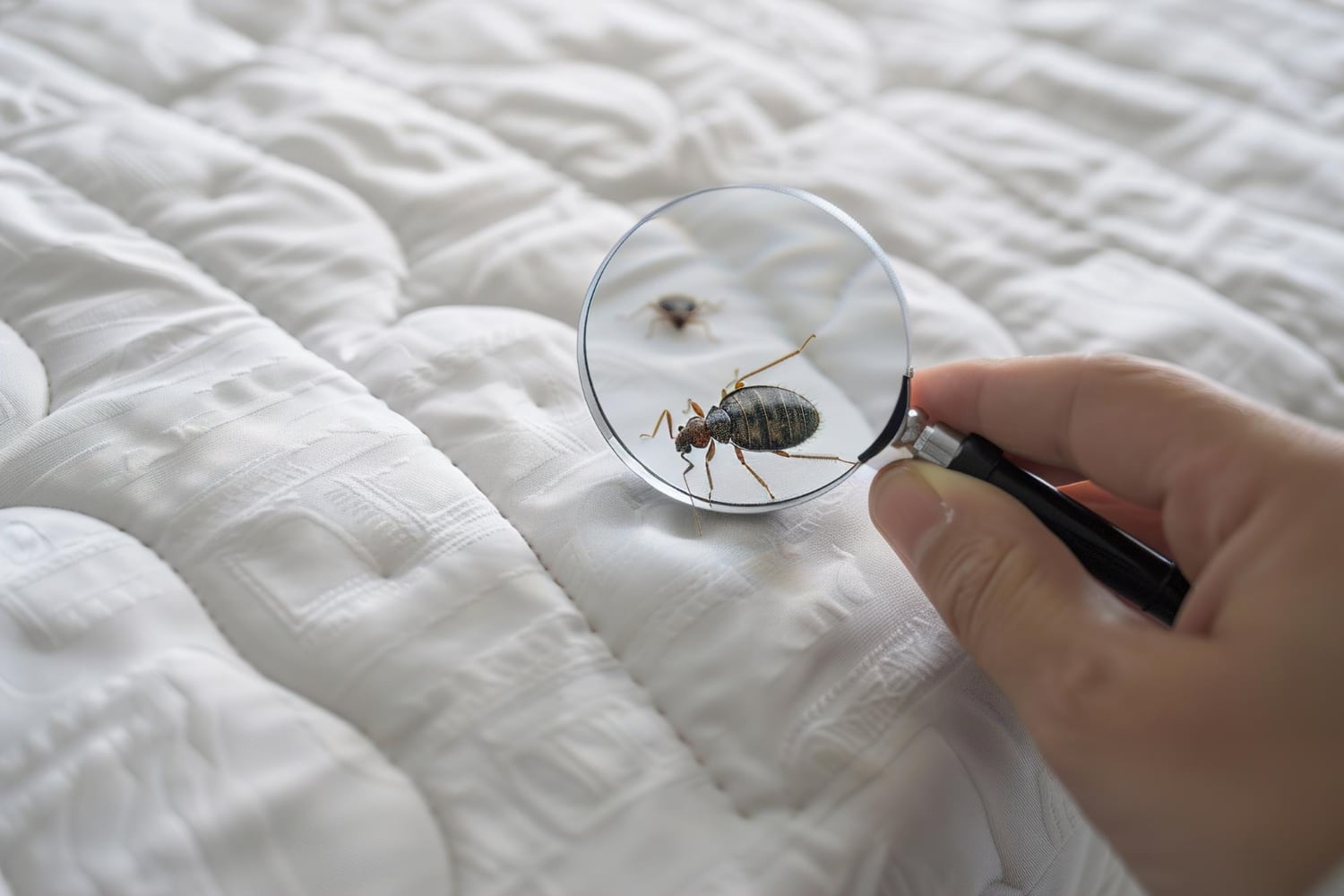
How Do Bed Bugs Spread From House to House? Prevention Tips for Homeowners
Imagine returning home from a weekend trip, unpacking your suitcase, and settling back into your normal routine. Several days later, you notice small dark spots on your bedding or unexplained insect activity near your mattress. You may start wondering whether bed bugs traveled home with you.
So, how do bed bugs spread from house to house? Unlike many household pests, bed bugs usually travel by hiding in luggage, clothing, furniture, and other personal belongings. They can also move between connected apartments and other shared living spaces.
At Rapid Pest Solutions, we help homeowners throughout Northwest Indiana and Illinois address bed bug infestations through professional inspections, targeted treatments, and preventative pest management.
Understanding how these pests spread, where they hide, and what precautions to take can help you recognize potential problems early and reduce the risk of bringing bed bugs into your home.
How Do Bed Bugs Spread From One House to Another?
Bed bugs are commonly described as hitchhiking pests because they often move between locations by hiding in belongings that people transport.
They cannot fly or jump, but they can crawl and conceal themselves in extremely small spaces. Their flattened bodies allow them to hide in fabric seams, furniture joints, and narrow cracks.
Several everyday situations can create opportunities for bed bugs to reach another home.
Bed Bugs Can Travel in Luggage and Travel Bags
Travel is one of the common ways bed bugs reach new locations.
Hotels, vacation rentals, and other places where people sleep can provide opportunities for bed bugs to enter suitcases or overnight bags.
A bed bug may hide in a luggage seam or another protected area and remain unnoticed until the bag is brought into a different home.
This does not mean every hotel or shared accommodation has bed bugs. However, inspecting sleeping areas and keeping luggage away from beds can help reduce potential exposure.
Used Furniture and Household Items Can Carry Bed Bugs
Secondhand furniture is another possible source of bed bug introductions.
Mattresses, couches, upholstered chairs, and other furniture may contain hidden insects or eggs, particularly in seams, folds, and joints.
Moving an infested item from one property to another can introduce bed bugs into a previously unaffected home.
This is why homeowners should carefully inspect used furniture before bringing it indoors, even when the item looks clean and well maintained.
Bed Bugs May Move Between Connected Apartments
Bed bugs can sometimes spread between neighboring units in apartment buildings, condominiums, and other connected residential properties.
They may move through cracks, wall openings, or gaps around building components.
This form of movement is different from the way bed bugs typically spread between separate houses. In detached homes, transportation through personal belongings is generally a more relevant concern than insects traveling across outdoor spaces.
When bed bugs are discovered in a connected residential building, notifying property management can help coordinate an appropriate response.
Visitors and Shared Spaces May Introduce Bed Bugs
Bed bugs may also be transported on bags, coats, bedding, and other personal belongings during visits between households.
For example, an overnight bag placed near an infested bed could potentially carry bed bugs to another location.
Shared sleeping areas, dormitories, and similar environments may create additional opportunities for exposure.
However, bed bugs do not normally live on people the way lice do. Their presence is not evidence of poor personal hygiene.
Why Are Bed Bugs So Difficult to Detect Before They Spread?
One reason bed bugs can move between homes unnoticed is their ability to hide in areas that are rarely inspected.
They are small, flat insects that often remain concealed during the day and become more active when people are resting.
Bed bugs may hide in:
- Mattress seams and box springs
- Bed frames and headboards
- Upholstered furniture
- Cracks along baseboards
- Small openings around walls
- Folded clothing and luggage
Because they can survive for extended periods without feeding, bed bugs may remain hidden even when a room or piece of furniture has not been used recently.
A Clean Home Can Still Experience a Bed Bug Infestation
A common misconception is that bed bugs only infest dirty or poorly maintained properties.
In reality, bed bugs are primarily associated with access to people or other hosts for blood meals, not household cleanliness.
Even a carefully maintained home can experience an infestation if bed bugs arrive through contaminated belongings.
Regular cleaning can help reduce hiding places and make inspection easier, but cleanliness alone cannot guarantee prevention.
Early Signs That Bed Bugs May Have Entered Your Home
Identifying bed bug activity early can make it easier to determine the extent of a potential infestation and begin appropriate treatment.
Although bites may be an initial concern, skin reactions alone are not enough to confirm the presence of bed bugs.
Physical Evidence of Bed Bug Activity
Watch for these potential warning signs:
- Live insects: Small, flat, reddish brown insects around mattresses, bed frames, or furniture.
- Dark spots: Small dark stains on bedding, mattresses, or nearby surfaces that may be bed bug droppings.
- Shed skins: Pale insect coverings left behind as bed bugs grow.
- Small eggs: Tiny, pale eggs concealed within seams or other protected areas.
- Recurring activity: Additional signs appearing in the same sleeping or resting areas.
Bed bugs may cause itchy bites, but different people react differently. Some individuals develop noticeable skin reactions, while others show little or no visible response.
If you suspect bed bugs, try to document the evidence and avoid immediately moving potentially infested belongings throughout the house.
7 Practical Bed Bug Prevention Tips for Homeowners
Although no prevention method can eliminate every possibility of exposure, several practical precautions can help reduce the likelihood of introducing or spreading bed bugs.
1. Inspect Sleeping Areas When Traveling
Before unpacking at a hotel or vacation rental, look for visible signs of bed bugs around mattress seams, headboards, and nearby furniture.
Inspect the luggage rack before using it and avoid placing suitcases directly on the bed or floor.
A brief inspection can help you notice potential warning signs before settling into the room.
2. Check Luggage and Clothing After Returning Home
When returning from travel, inspect luggage seams, pockets, and other areas where insects could hide.
If you suspect exposure, keep potentially affected belongings separate until they can be inspected or treated.
For clothing and bedding that can tolerate high temperatures, the U.S. Environmental Protection Agency recommends using a household dryer on high heat for 30 minutes to kill bed bugs and their eggs.
Washing alone may not eliminate bed bugs.
Always follow fabric care instructions and avoid exposing heat sensitive belongings to damaging temperatures.
3. Inspect Secondhand Furniture Before Bringing It Indoors
Carefully examine used mattresses, couches, chairs, and upholstered furniture before moving them into your home.
Pay attention to seams, joints, cushions, and hidden surfaces.
Look for live insects, dark spotting, shed skins, or other evidence of activity.
If you cannot confidently inspect an item or suspect that it may be infested, avoid bringing it inside until the concern has been addressed.
4. Reduce Clutter Around Beds and Furniture
Bed bugs can hide in small spaces, and excessive clutter can make inspection and treatment more difficult.
Keep clothing organized, reduce unnecessary items beneath beds, and regularly inspect areas around sleeping spaces.
Vacuuming can help remove some visible insects, but it is not a complete treatment for an established infestation.
If bed bugs are suspected, carefully seal and dispose of vacuum contents in an outdoor trash container.
5. Consider Protective Mattress Encasements
Mattress and box spring encasements designed specifically for bed bugs can help reduce hiding places and make signs of activity easier to detect.
Choose covers that fully enclose the mattress or box spring and have secure closures.
Remember that encasements do not prevent bed bugs from entering the house through luggage or furniture. They are one component of a broader prevention and monitoring strategy.
6. Avoid Moving Potentially Infested Items Between Rooms
If you suspect that bedding, furniture, or clothing contains bed bugs, avoid carrying those items into unaffected rooms without appropriate containment.
Moving belongings unnecessarily can create additional opportunities for insects to spread.
Place suitable items in sealed bags or containers until they can be inspected or treated.
Do not immediately discard every piece of furniture. Many items can be treated, and improper disposal may introduce bed bugs to another household.
7. Take Extra Precautions in Shared Residential Buildings
Homeowners and residents of connected properties should pay attention to gaps around baseboards, walls, and other potential movement pathways.
Appropriate sealing and maintenance may help reduce opportunities for bed bugs to travel between units.
If an infestation is confirmed in an apartment or condominium, notify the appropriate property manager and ask about coordinated inspection and treatment.
Addressing only one unit may not be sufficient when bed bugs have spread to connected spaces.
What Should You Do if You Find Bed Bugs at Home?
Discovering a suspected bed bug infestation can be concerning, particularly when you are unsure how the insects entered your property.
The most useful first step is to confirm the pest involved and understand the extent of the problem.
Identify the Pest Before Starting Treatment
Several small household insects can be mistaken for bed bugs.
If possible, capture a specimen or take clear photographs for identification.
A pest control professional can help determine whether bed bugs are present and inspect likely hiding locations.
Limit Movement of Potentially Infested Belongings
Avoid transferring bedding, clothing, or furniture into other rooms without appropriate precautions.
Keep affected items contained and follow professional instructions for laundering, storage, or other preparation.
Do not attempt to treat an entire room by increasing the thermostat or using portable heaters. Effective bed bug heat treatments require specialized equipment and controlled procedures.
Likewise, household insect foggers should not be relied upon as the sole treatment because they may not reach the spaces where bed bugs hide.
Arrange a Professional Bed Bug Inspection
Bed bug infestations can be difficult to manage because insects may remain hidden in several locations and multiple treatment visits may be necessary.
A professional inspection can help identify affected areas and determine which treatment methods are appropriate.
Rapid Pest Solutions provides professional pest control services that include bed bug elimination and preventative service options.
Our approach focuses on evaluating pest activity, developing treatment plans appropriate to the property, and providing guidance for ongoing prevention.
Professional Bed Bug Control in Northwest Indiana and Illinois
Bed bug problems can occur in single family homes, apartments, multiunit properties, and commercial environments where people regularly visit or stay.
Rapid Pest Solutions serves residential and commercial customers throughout Northwest Indiana and the surrounding Illinois suburbs.
Our service areas include Hammond, Highland, Munster, Schererville, and St. John, IN, along with Lansing, Homewood, Flossmoor, and other Illinois communities.
How Rapid Pest Solutions Helps With Bed Bug Infestations
Every infestation is different, which is why pest management should begin with an understanding of the property and the extent of the activity.
Rapid Pest Solutions offers customized pest treatment programs that focus on:
- Inspecting affected areas and identifying pest activity
- Evaluating likely hiding places and contributing conditions
- Recommending targeted treatment methods
- Explaining appropriate preparation and prevention measures
- Discussing monitoring or ongoing service when needed
Our goal is to help property owners address existing pest concerns while reducing the likelihood of recurring problems.
Frequently Asked Questions
1. Can Bed Bugs Spread From One House to Another Without People Traveling?
Yes, but the way properties are connected matters. Bed bugs may move between adjoining apartments or connected living spaces through building openings. Between detached houses, they are more commonly introduced through transported belongings than by traveling outdoors from one house to another.
2. Can Bed Bugs Spread Through Clothing?
Yes. Bed bugs can hide in folded clothing, bags, and other personal belongings, allowing them to move between locations. However, they do not normally live on the human body, and their presence is not a reflection of personal cleanliness.
3. How Quickly Can Bed Bugs Spread Throughout a House?
The rate of spread depends on the number of insects, available hiding places, movement of belongings, and other conditions. Bed bugs can remain undetected while establishing additional hiding areas, which is why early identification and appropriate treatment matter.
4. Can You Bring Bed Bugs Home From a Hotel?
Yes. Bed bugs may hide in luggage, clothing, or other belongings during a stay at an infested location. Inspecting sleeping areas, keeping bags off beds, and checking belongings after returning home can help reduce the risk.
5. When Should I Contact a Professional About Bed Bugs?
Consider professional assistance when you discover a suspected bed bug, find recurring evidence around sleeping areas, or believe the insects may have spread beyond one location. A professional inspection can help confirm the problem and identify appropriate treatment options.
Protect Your Home by Understanding How Bed Bugs Spread
Bed bugs do not need to fly or jump to reach another home. Their ability to hide inside luggage, clothing, furniture, and personal belongings makes them particularly difficult to detect during everyday activities.
Understanding how bed bugs spread from house to house can help homeowners take practical precautions, especially after traveling, purchasing secondhand furniture, or discovering suspicious activity near sleeping areas.
Regular inspections, careful handling of belongings, protective mattress encasements, and early identification can all contribute to better bed bug prevention.
However, when an infestation develops, professional pest management may be necessary to address hidden activity and reduce the risk of further spread.
Rapid Pest Solutions provides residential and commercial bed bug control services throughout Northwest Indiana and Illinois. Our team offers customized treatment options and preventative pest management recommendations based on the needs of each property.
Concerned about bed bugs in your home? Contact Rapid Pest Solutions to request a consultation and learn more about our bed bug control services.


