What Smells Actually Repel Ants? DIY Methods vs Professional Solutions

Image of Ants

What Smells Actually Repel Ants? DIY Methods vs Professional Solutions
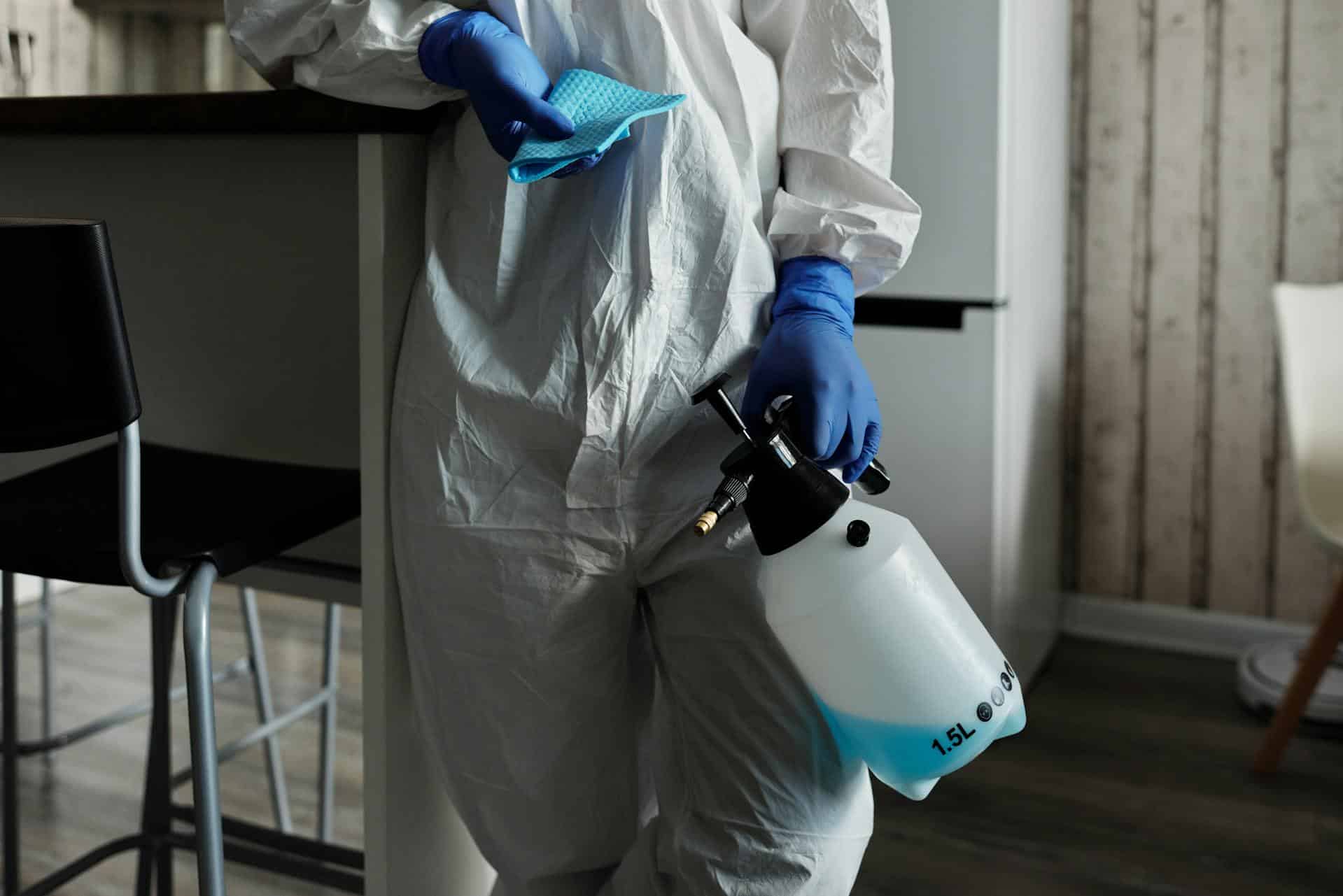
If you are dealing with ants, you have likely heard that certain smells can keep them away. Many homeowners try natural remedies first, hoping to stop ants without chemicals or professional help.

Understanding what smells repel ants can be useful, but not all methods work the same way. Some provide short-term relief, while others do little to address the real problem.

Before relying on DIY solutions, it helps to know what actually works, what has limitations, and when a more complete approach is needed.

What Smells Repel Ants and Why Do They Work?

Ants rely heavily on scent trails to navigate and locate food. When certain strong smells interfere with these trails, ants can become disoriented and avoid the area.

However, this does not eliminate the colony. It only disrupts their movement temporarily.

Strong Natural Scents That May Repel Ants

Some commonly used smells that repel ants include:

  • Vinegar
  • Lemon or citrus oils
  • Peppermint oil
  • Cinnamon
  • Coffee grounds

These smells can mask the scent trails ants use, making it harder for them to follow established paths.

Popular DIY Methods for Repelling Ants

Many homeowners try simple solutions using items they already have at home. These methods can be easy to apply but often come with limitations.

Vinegar Spray

A mixture of vinegar and water is commonly used to wipe down surfaces. This can help remove scent trails and temporarily deter ants.

Essential Oils

Peppermint and citrus oils are often applied around entry points. The strong smell can discourage ants from entering certain areas.

Lemon Juice or Citrus Peels

Using lemon juice or placing citrus peels near problem areas can create a scent barrier that ants may avoid.

Cinnamon or Coffee Grounds

Sprinkling these around entry points may create a temporary barrier, but results are often inconsistent.

Do DIY Smell-Based Methods Actually Work Long-Term?

While it is helpful to know what smells repel ants, these solutions are typically short-term fixes.

They may:

  • Disrupt visible ant trails
  • Reduce activity in specific areas
  • Provide temporary relief

But they usually do not:

  • Eliminate the colony
  • Stop ants from finding new entry points
  • Prevent future infestations

In many cases, ants will simply reroute around the smell or return once the scent fades.

Why Ant Problems Often Return After DIY Solutions

Ant colonies can be located outside your home or hidden within walls. Even if you repel ants from one area, the colony remains active.

Without addressing the source, ants will continue searching for food and may reappear in different locations.

This is why repeated DIY treatments often lead to ongoing frustration rather than a permanent solution.

How Professional Ant Control Goes Beyond Repellents

Professional pest control does more than just mask or repel ants. It focuses on identifying and eliminating the source of the problem.

This approach typically includes:

  • Inspection to locate entry points and nesting areas
  • Identification of ant species and behavior patterns
  • Targeted treatment of active zones
  • Strategies to reduce future risk
  • Ongoing monitoring if needed

Rather than relying on scent disruption alone, professional treatment addresses the entire infestation.

When to Use DIY Methods vs Professional Solutions

Understanding what smells repel ants can still be useful in certain situations.

DIY methods may help if:

  • You notice a small number of ants
  • The issue is recent and isolated
  • You want a temporary solution

Professional solutions are recommended if:

  • Ant activity keeps returning
  • You see large numbers of ants
  • The source of the problem is unclear
  • DIY methods are not working

Serving Homes Across Northwest Indiana and Illinois

Rapid Pest Solutions provides ant control services for residential and commercial properties across Northwest Indiana and the surrounding Illinois suburbs.

Our team focuses on long-term pest management, helping eliminate current infestations while reducing the risk of future problems.

FAQs About What Smells Repel Ants

What smells repel ants the most effectively?

Strong scents like vinegar, peppermint oil, and citrus can disrupt ant trails, but effectiveness varies and is usually temporary.

Can smells alone get rid of ants?

No, smells may repel ants temporarily but do not eliminate the colony or stop future infestations.

How often do I need to reapply DIY repellents?

Most natural repellents need frequent reapplication because the scent fades quickly.

Are natural ant repellents safe to use indoors?

Many are safe when used properly, but they should still be applied carefully, especially around food preparation areas.

Get Long-Term Relief from Ant Problems

If you are relying on temporary solutions and still seeing ants, it may be time for a more effective approach.

Rapid Pest Solutions offers professional ant control designed to eliminate infestations and help prevent them from returning.

Request a quote today or speak with our team to get started.
Why Do Ants Suddenly Appear in Kitchens? Causes and Prevention Tips

Image of Ants

Why Do Ants Suddenly Appear in Kitchens? Causes and Prevention Tips

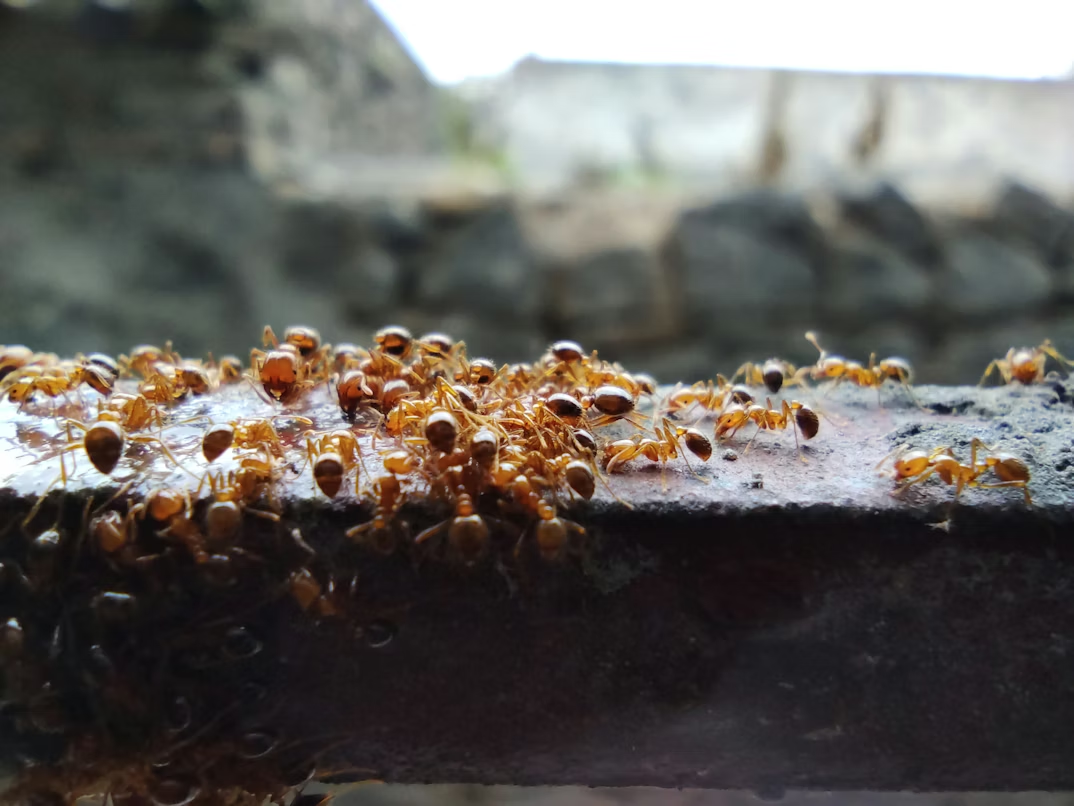
Ants in kitchens can seem to appear out of nowhere, especially when food and moisture are easy to access. One day everything looks clean, and the next you notice a trail of ants along your counter or floor.

For homeowners and property managers, dealing with ants in kitchens can be frustrating and confusing. The good news is that this type of activity usually follows predictable patterns. Once you understand what attracts them, you can take steps to prevent them and protect your space long-term.

If ants in kitchens keep showing up despite your efforts, it may be time to address the root cause with a professional solution.

What Causes Ants in Kitchens to Suddenly Appear?

Ants in kitchens do not happen randomly. They are typically responding to conditions that make your space an easy and reliable food source.

Food Residue and Crumbs

Even small amounts of food can attract ants in kitchens. Crumbs on the floor, sticky spills, or unsealed food containers provide enough nourishment to draw ants inside.

Once a scout ant finds a food source, it leaves a scent trail for others to follow. This is why ants in kitchens can seem to increase overnight.

Moisture and Water Sources

Kitchens often provide consistent access to water. Leaky pipes, damp sponges, or standing water in sinks can attract ants in kitchens looking for hydration.

Moisture also creates an environment that supports other pests, increasing overall risk.

Easy Entry Points

Ants in kitchens often enter through tiny cracks and gaps around doors, windows, and foundations. Even the smallest openings can allow ants to establish a path inside.

Seasonal Changes

Ants in kitchens are more common during warmer months or weather shifts. Rain or heat can push ants indoors in search of food and shelter.

Why Ants in Kitchens Seem to Appear Overnight

Many people notice ants in kitchens suddenly appearing and assume it happened instantly. In reality, ants have usually been exploring your home before becoming visible.

Scout Ant Behavior

A few ants search for food sources first. Once they find something, they communicate with the colony through scent trails.

Rapid Colony Response

After a food source is identified, more ants follow quickly. This makes ants in kitchens feel like a sudden problem, even though it developed over time.

How to Prevent Ants in Kitchens

Preventing ants in kitchens starts with removing the conditions that attract them. Consistent habits and small changes can make a big difference.

Keep Surfaces Clean

  • Wipe down counters daily
  • Sweep and mop floors regularly
  • Clean up spills immediately

Store Food Properly

  • Use sealed containers for pantry items
  • Avoid leaving food out overnight
  • Keep pet food areas clean

Reduce Moisture

  • Fix leaks under sinks
  • Avoid standing water
  • Replace damp sponges regularly

Seal Entry Points

  • Inspect doors and windows for gaps
  • Seal cracks in walls or foundations
  • Use weather stripping where needed

When Ants in Kitchens Keep Coming Back

While prevention can reduce activity, ants in kitchens may continue if the colony is not fully addressed. Colonies can exist outside your home or within walls, making them difficult to eliminate completely with basic methods.

Many store-bought solutions only target visible ants, not the source. This often leads to recurring problems.

How Professional Ant Control Solves Ants in Kitchens Long-Term

Professional pest control focuses on identifying and eliminating the source of ants in kitchens, not just the visible activity.

This process typically includes:

  • Inspection of the property and surrounding areas
  • Identification of ant species and behavior
  • Targeted treatment of affected areas
  • Recommendations to reduce future risk
  • Ongoing monitoring if needed

This approach helps eliminate ants in kitchens while reducing the chances of them returning.

Serving Homes Across Northwest Indiana and Illinois

Rapid Pest Solutions provides expert solutions for ants in kitchens across Northwest Indiana and the surrounding Illinois suburbs.

Our team focuses on long-term prevention and targeted treatments to help keep your home clean, safe, and pest-free.

FAQs About Ants in Kitchens

Why do ants in kitchens keep coming back even after cleaning?

Ants may still be accessing hidden food sources or following scent trails. Without addressing the colony or entry points, they can return.

Are ants in kitchens dangerous?

Most ants are not harmful, but ants in kitchens can contaminate food and become a persistent nuisance if not resolved.

Do natural remedies stop ants in kitchens?

Some methods may reduce activity temporarily, but they typically do not eliminate the colony or prevent future infestations.

How fast do ants in kitchens spread?

Once a food source is found, ants can quickly multiply their presence as more ants follow established trails.

Get Help with Ants in Kitchens Today

If ants in kitchens continue to appear, addressing the root cause is the most effective way to stop the problem.

Rapid Pest Solutions offers professional ant control services designed to eliminate current infestations and prevent future issues.

Request a quote today or speak with our team to get started.