The Top 3 Things I Wish Everyone Knew About Pests

The Top 3 Things I Wish Everyone Knew About Pests

The Top 3 Things I Wish Everyone Knew About Pests

Have you ever spotted an ant in your kitchen, heard scratching inside a wall, or noticed insects gathering around your home? It’s easy to dismiss these signs as minor inconveniences, but understanding how pests behave can make a significant difference in protecting your property.

Many homeowners and business owners only think about pest control when an infestation becomes noticeable. However, effective pest management involves much more than eliminating the pests you can see. It requires understanding what attracts them, where they hide, and how to reduce the conditions that allow them to return.

At Rapid Pest Solutions, we believe informed property owners are better prepared to prevent recurring pest problems. Here are three important things we wish everyone understood about pests.

1. The Pests You See May Be Only Part of the Problem

Seeing one ant crawling across your counter or a mouse running through your garage might seem like an isolated incident. However, visible pest activity sometimes indicates a larger problem developing in areas you cannot easily inspect.

Many common household pests prefer sheltered environments where they can find food, moisture, and protection. Depending on the species, they may remain hidden behind walls, inside cabinets, beneath appliances, or around foundations.

For example, rodents may leave droppings or gnaw marks before homeowners see an actual mouse. Bed bugs can hide in furniture seams and other small crevices, while termites may remain unnoticed until signs of activity become more apparent.

What Are the Early Warning Signs of Pest Activity?

Recognizing unusual changes around your property can help you identify potential problems sooner.

Common warning signs include:

  • Droppings or gnaw marks: These may indicate rodent activity in storage areas, cabinets, or other sheltered spaces.
  • Recurring insect sightings: Ants or other crawling insects appearing repeatedly in the same location may suggest an ongoing problem.
  • Unusual scratching sounds: Noises inside walls or ceilings could indicate rodents or other animals.
  • Damaged materials: Certain pests may affect wood, stored food, packaging, or other household materials.
  • Insect activity near openings: Repeated activity around doors, windows, and foundations may reveal possible access points.

Not every pest sighting means an infestation exists. However, ignoring repeated warning signs can allow a manageable issue to become more complicated.

The important lesson: Pay attention to early pest activity rather than waiting until the problem becomes difficult to overlook.

If you notice recurring signs, a professional pest inspection can help identify the pest involved and determine whether treatment is necessary.

2. Getting Rid of Pests Is Only Half the Solution

One of the biggest misconceptions about pest control is that removing visible pests automatically solves the underlying problem.

Although targeted treatments can address existing infestations, pests may return when the conditions attracting them remain unchanged.

Food sources, moisture, accessible shelter, and openings around a building can all contribute to pest activity. Without addressing these conditions, property owners may continue experiencing similar problems.

Why Do Pests Keep Coming Back?

Consider a homeowner who repeatedly discovers ants in the kitchen. Cleaning the counter may temporarily reduce visible activity, but ants could continue entering through an opening near a window or foundation.

Similarly, removing rodents without addressing accessible entry points may leave a property vulnerable to future activity.

This is why effective pest management should consider both the immediate infestation and the conditions contributing to it.

Simple Pest Prevention Tips for Your Property

Several practical habits can help make residential and commercial properties less attractive to pests:

  • Store food in sealed containers and clean spills promptly.
  • Keep garbage containers closed and remove waste regularly.
  • Address plumbing leaks and unnecessary moisture.
  • Inspect doors, windows, and foundations for potential openings.
  • Reduce clutter in basements, garages, and storage areas.
  • Monitor areas where pest activity has occurred before.

These steps support prevention, but they may not resolve an established infestation on their own.

Rapid Pest Solutions uses a prevention focused approach that combines property inspections, pest identification, targeted treatment, and recommendations for reducing future pest activity.

Our professional pest control services are designed to address existing problems while helping property owners maintain better protection over time.

The important lesson: Lasting pest management starts with understanding why pests are attracted to a property, not simply removing them when they appear.

3. Pest Prevention Is Important Throughout the Year

Many people associate pest problems with warmer weather, particularly when mosquitoes, ants, and stinging insects become more noticeable outdoors.

However, pest concerns do not necessarily disappear when temperatures drop.

Throughout Northwest Indiana and the surrounding Illinois suburbs, seasonal changes can influence where pests seek food and shelter.

During warmer months, homeowners may experience increased outdoor insect activity. As temperatures cool, rodents may seek protected spaces inside homes, garages, and commercial buildings.

Some pests, including bed bugs, can also become a concern regardless of the season.

Why Does Your Property Need a Customized Pest Control Plan?

Every property has different conditions that can influence pest activity.

A residential home with a basement may have different pest management needs than a restaurant, apartment building, or warehouse.

Likewise, a property experiencing recurring rodent activity may require a different approach from one dealing with mosquitoes or ants.

A customized pest management plan considers several important factors:

  • The type of pest involved
  • Current signs and extent of activity
  • Potential entry points and attractants
  • Property layout and surrounding conditions
  • Seasonal pest patterns
  • Appropriate treatment and monitoring needs

Rapid Pest Solutions provides customized preventative maintenance and pest treatment services for both residential and commercial properties.

Through professional inspections, targeted treatments, exclusion recommendations, and ongoing monitoring, our team works to help customers reduce recurring pest problems.

For businesses, this approach can be particularly valuable in environments such as restaurants, healthcare facilities, retail spaces, and warehouses, where pest management is an important part of maintaining property conditions.

The important lesson: Preventative pest control should reflect your property and its changing needs rather than relying on the same response for every pest problem.

Frequently Asked Questions 

1. Does Seeing One Pest Mean I Have an Infestation?

Not necessarily. A single pest sighting does not always indicate an infestation. However, repeated sightings, droppings, damage, or other signs of activity may warrant a closer inspection.

2. What Is the Best Way to Prevent Pests in My Home?

Start by reducing accessible food, moisture, shelter, and entry points. Regular cleaning, proper food storage, maintenance, and inspections can help minimize conditions that attract pests.

3. Can Pests Still Be Active During Winter?

Yes. Some pests remain active indoors during colder months, particularly when they have access to suitable shelter and food. Rodents are one example of pests that may become a concern as outdoor temperatures decline.

4. When Should I Contact a Professional Pest Control Company?

Consider professional assistance when pest activity continues, you suspect a hidden infestation, or you are unsure how to identify or safely address the problem. An inspection can help determine appropriate next steps.

Understanding Pests Is the First Step Toward Better Protection

Pest problems are not always as straightforward as they appear. What starts as an occasional insect sighting or unfamiliar noise may require a closer look to understand what is happening.

Remember these three important lessons: visible pests do not always reveal the full problem, successful pest management involves addressing contributing conditions, and ongoing prevention can help reduce recurring activity.

Taking these lessons seriously can help homeowners and business owners make better decisions about protecting their properties.

Rapid Pest Solutions provides residential and commercial pest control services throughout Northwest Indiana and the surrounding Illinois suburbs, including Hammond, Highland, Munster, Schererville, St. John, Lansing, and nearby communities.

Whether you are experiencing an active infestation or want to explore preventative maintenance, our team can help assess your needs and recommend an appropriate approach.

Contact Rapid Pest Solutions to request a consultation and learn more about our pest control services.

Why You Should Hire A Professional When It Comes To Pests

Why You Should Hire A Professional When It Comes To Pests

Why You Should Hire A Professional When It Comes To Pests

Dealing with pests in your home or business can be frustrating, especially when the problem keeps coming back. Whether you notice ants in your kitchen, rodents in your attic, or wasps gathering near your entrance, deciding how to handle the situation is not always straightforward.

Many property owners consider do it yourself treatments before contacting a professional. While basic prevention measures can help with minor pest concerns, recurring infestations often require a more thorough approach. Professional pest control involves identifying the problem, selecting appropriate treatments, and addressing conditions that may be attracting pests.

At Rapid Pest Solutions, we help homeowners and businesses throughout Northwest Indiana and Illinois manage pest problems through professional inspections, customized treatments, and preventative maintenance.

Understanding the benefits of professional pest control can help you decide when expert assistance is the right choice.

Why Professional Pest Control Is More Than Just Removing Pests

One of the biggest differences between professional pest control and do it yourself solutions is the level of inspection and evaluation involved.

Removing the insects or rodents you can see might provide temporary relief, but it does not necessarily resolve the conditions allowing them to remain on your property.

Professional pest control focuses on understanding the full situation before deciding how to address it.

Accurate Pest Identification Helps Determine the Right Treatment

Not all pests respond to the same treatments. Different insects and rodents have unique behaviors, nesting habits, and preferred environments.

For example, treating an ant problem requires a different strategy than managing termites, bed bugs, or rodents.

A professional pest control technician can help identify:

  • The type of pest affecting your property
  • Where pests may be entering or nesting
  • Conditions contributing to pest activity
  • The extent of the problem
  • Appropriate treatment and prevention options

Correct identification matters because applying the wrong treatment may leave the underlying problem unresolved.

Hidden Pest Activity May Require a Closer Inspection

Pests frequently settle in places that are difficult to access, including wall voids, crawl spaces, storage areas, and locations around foundations.

A professional inspection helps identify activity beyond what is immediately visible.

This allows technicians to recommend a treatment plan based on the property’s actual conditions rather than relying on assumptions.

How Does Professional Pest Control Work?

Professional pest control is not simply about applying products around a home or building. An effective approach considers the pest involved, the property environment, and the factors contributing to the problem.

At Rapid Pest Solutions, our prevention focused service approach combines inspection, targeted treatment, and recommendations for ongoing pest management.

What Happens During a Professional Pest Control Service?

Although the process depends on the type of infestation, professional pest management generally involves several important steps.

1. Property Inspection

A technician examines areas where pest activity has been reported and looks for potential entry points, nesting locations, and conditions that attract pests.

2. Pest Identification

Understanding the pest species and the extent of activity helps determine which treatment options are appropriate.

3. Customized Treatment

A treatment plan is developed according to the pest problem and the needs of the property. This may involve interior or exterior treatments, targeted pest removal, or other management methods.

4. Prevention Recommendations

Technicians may recommend reducing entry points, addressing moisture concerns, improving sanitation, or making other property adjustments.

5. Follow Up and Maintenance

Depending on the situation, ongoing monitoring or scheduled preventative services may help reduce the risk of recurring pest activity.

This structured process supports more informed pest management decisions rather than relying solely on temporary solutions.

Why Do It Yourself Pest Treatments Are Not Always Enough

Store bought pest control products can seem like a convenient option, particularly when the problem appears small.

However, successful treatment depends on more than choosing a product intended for a particular pest.

Using the Wrong Treatment Can Leave Problems Unresolved

Without identifying the pest correctly, property owners may apply products that do not address the specific infestation.

In some situations, visible pests may disappear temporarily while nesting areas or entry points remain unaffected.

Repeatedly attempting different treatments can also become inconvenient and expensive without providing a lasting solution.

A professional technician can evaluate the problem and select a more appropriate treatment strategy.

Proper Application and Safety Precautions Matter

Pest control products must be selected and applied according to their instructions and the conditions of the property.

This is especially important in homes with children or pets and commercial environments where treatments must account for normal business activities.

Professionally trained technicians understand how to evaluate treatment options, use applicable products correctly, and explain precautions that property occupants should follow.

Professional pest control does not mean every treatment is risk free. It means working with someone trained to consider the pest, the treatment method, and the surrounding environment.

Preventative Pest Control Helps Address Recurring Problems

Another important reason to consider professional services is the opportunity to focus on prevention instead of responding only when an infestation becomes noticeable.

Pests may continue returning when they have access to food, moisture, shelter, or openings around a building.

For example, rodents may enter through gaps around foundations or utility openings, while certain insects may be attracted to moisture near kitchens, bathrooms, or exterior walls.

Long Term Pest Management Starts With Prevention

Preventative pest management may include:

  • Identifying and reducing potential pest entry points
  • Monitoring areas with recurring activity
  • Addressing moisture and sanitation concerns
  • Recommending changes to reduce pest attractants
  • Scheduling maintenance based on property needs

Rapid Pest Solutions offers customized preventative maintenance programs designed to address existing concerns while helping reduce future pest activity.

Rather than applying the same solution to every property, our team considers the pest problem and the conditions that make each location unique.

Professional Pest Control for Homes and Businesses

Both residential and commercial properties benefit from appropriate pest management, but their needs are not always the same.

Residential Pest Control for Homeowners

Homeowners may encounter ants, rodents, termites, bed bugs, mosquitoes, and stinging insects at different times throughout the year.

Professional residential pest control can help identify recurring activity, determine suitable treatment options, and recommend practical ways to make the home less attractive to pests.

Rapid Pest Solutions offers customized residential programs for homeowners who need treatment for an existing infestation or want ongoing preventative service.

Commercial Pest Control for Business Owners

Commercial properties often require additional consideration because pest problems may affect operations, sanitation practices, and customer experiences.

Restaurants, healthcare facilities, retail establishments, warehouses, and other businesses can have different pest management requirements.

Rapid Pest Solutions uses Integrated Pest Management principles to develop customized commercial pest control programs. These programs emphasize inspection, prevention, targeted treatments, and ongoing monitoring when appropriate.

When Should You Hire a Professional Pest Control Company?

Not every insect sighting requires professional treatment. However, certain situations suggest that an inspection may be worthwhile.

Consider contacting a pest control professional when:

  • Pest activity continues despite cleaning or basic prevention measures.
  • You notice droppings, nesting materials, damage, or recurring insects.
  • You suspect pests are hiding inside walls or inaccessible areas.
  • You are dealing with termites, bed bugs, or another difficult infestation.
  • You are unsure how to identify or appropriately treat a pest.
  • Your home or business has experienced repeated infestations.

Seeking professional guidance can help you understand the situation before choosing an appropriate course of action.

Rapid Pest Solutions serves residential and commercial customers throughout Northwest Indiana and the surrounding Illinois suburbs, including Hammond, Highland, Munster, Schererville, St. John, Lansing, Homewood, and Flossmoor.

Frequently Asked Questions 

1. Is Professional Pest Control Better Than Doing It Yourself?

Professional pest control is often worth considering for recurring, widespread, or difficult infestations. Technicians can identify pests, inspect contributing conditions, and develop appropriate treatment strategies. Simple prevention measures may still be useful for minor concerns.

2. Is Professional Pest Control Safe for Children and Pets?

Treatment precautions depend on the products and methods used. Professional technicians can explain relevant safety instructions, including any necessary restrictions during or after service. Always follow the guidance provided for your specific treatment.

3. How Often Should I Schedule Professional Pest Control?

The appropriate service frequency depends on the pest involved, property conditions, seasonal activity, and history of infestations. Some properties benefit from preventative maintenance, while others may only need targeted treatment for a specific problem.

4. Can Professional Pest Control Prevent Pests From Returning?

Professional pest management can help reduce the likelihood of recurring infestations through appropriate treatment, monitoring, and preventative recommendations. However, no treatment can guarantee that pests will never return.

5. How Should I Prepare for a Pest Control Appointment?

Make note of where and when you have noticed pest activity. If possible, document visible signs and inform the technician about previous treatments. Ask your pest control provider whether specific preparation is needed before the scheduled service.

Protect Your Property With Professional Pest Control

Dealing with pests can be challenging, particularly when an infestation continues despite repeated attempts to resolve it.

Hiring a professional pest control company provides access to accurate pest identification, targeted treatment options, knowledgeable technicians, and preventative recommendations.

While basic home maintenance and sanitation remain important, professional support can help address more complicated pest problems and identify conditions that contribute to recurring activity.

At Rapid Pest Solutions, we provide residential and commercial pest control services throughout Northwest Indiana and Illinois. Our approach emphasizes reliable service, customized pest management, and long term prevention.

Whether you are dealing with an active infestation or want to explore preventative maintenance, our team can help determine the next steps for your property.

Need help with a pest problem? Contact Rapid Pest Solutions to request a consultation and learn more about our professional pest control services.

Why Pest Control?

Why Pest Control?

Why Pest Control?

Why pest control? Because unwanted pests can affect more than the appearance of your home or business. From ants invading kitchen countertops to rodents finding shelter inside walls, pest activity can create sanitation concerns, damage certain materials, and interrupt everyday routines.

Many property owners only consider pest control after noticing an infestation. However, effective pest management also focuses on preventing problems before they become difficult to address. Regular inspections, identifying potential entry points, and reducing conditions that attract pests can all contribute to better protection.

At Rapid Pest Solutions, we help homeowners and businesses throughout Northwest Indiana and Illinois manage existing infestations and reduce recurring pest problems through customized treatments and preventative maintenance.

Understanding why pest control matters is the first step toward making informed decisions about protecting your property.

Why Is Pest Control Important for Homes and Businesses?

Pest control is about more than removing unwanted insects or rodents. It helps property owners address potential risks, maintain more comfortable spaces, and reduce conditions that encourage infestations.

Whether you own a house, manage apartments, or operate a commercial facility, understanding these benefits can help you decide when preventative measures or professional treatment may be appropriate.

Pest Control Helps Maintain Cleaner Living and Working Spaces

Some pests can contaminate food, food preparation surfaces, and storage areas as they travel through a property.

Rodents and cockroaches, for example, may introduce contaminants through their droppings or contact with surfaces. Certain pests can also trigger allergic reactions or cause uncomfortable bites and stings.

These concerns make appropriate pest management particularly important in kitchens, food storage areas, and other frequently used spaces.

While regular cleaning is essential, sanitation alone may not eliminate pests that have already established themselves in hidden areas.

Pest Prevention Can Help Reduce Property Damage

Certain pests can damage building materials, furnishings, or stored belongings.

Termites can feed on wood and potentially affect structural components. Rodents may gnaw on insulation, packaging, and electrical wiring, while other pests can damage stored products.

Not every pest creates significant property damage, but recognizing the potential risks helps explain why early identification matters.

By inspecting for pest activity and addressing contributing conditions, property owners may be able to prevent minor concerns from developing into more complicated problems.

Commercial Pest Control Supports Daily Business Operations

Pest management is especially important for businesses where sanitation, cleanliness, and uninterrupted operations are priorities.

Restaurants, retail stores, warehouses, healthcare facilities, educational institutions, and manufacturing environments may all experience pest problems that require specialized attention.

For example, rodent activity in a storage area may compromise products, while recurring insect activity in a restaurant can affect customer confidence.

A structured pest management program helps businesses monitor activity, identify potential problem areas, and respond appropriately.

Why Do Pest Problems Develop Even in Well Maintained Properties?

A common misconception is that pests only appear in dirty or neglected buildings.

In reality, pests are primarily searching for resources that support their survival. Even a well maintained home or business can provide the conditions they need.

Pests Search for Food, Water, and Shelter

Different pests have different needs, but many are attracted to three basic resources:

  • Food: Accessible pantry items, crumbs, pet food, garbage, and stored products.
  • Water: Leaking pipes, moisture around foundations, condensation, and standing water.
  • Shelter: Cluttered storage spaces, wall openings, crawl spaces, and protected outdoor areas.

An otherwise clean property may still provide water through a plumbing leak or shelter through an unnoticed opening.

Reducing these attractants is an important part of preventative pest control.

Small Entry Points Allow Pests to Move Indoors

Pests can take advantage of gaps around doors, windows, foundations, and utility openings.

Rodents may enter through small structural openings, while ants and other insects can follow cracks or gaps into kitchens and storage areas.

Regular property maintenance and appropriate sealing can help limit access, although different pest species may require different prevention strategies.

Seasonal Changes Influence Pest Activity

Throughout Northwest Indiana and the surrounding Illinois suburbs, changing seasons can affect the types of pest problems property owners encounter.

Warmer months may bring increased activity from mosquitoes, ants, and stinging insects. As outdoor temperatures decline, rodents may seek shelter in garages, basements, and other protected locations.

Other pests, including bed bugs, may become a concern regardless of the season.

This is one reason pest prevention should be considered throughout the year rather than only during periods of noticeable outdoor activity.

What Is the Difference Between Pest Control and Pest Prevention?

Although the terms are closely related, pest control and pest prevention address different parts of the same problem.

Pest control involves managing existing pest activity through appropriate methods. Depending on the infestation, this may include targeted treatments, trapping, removal, or other measures.

Pest prevention focuses on reducing conditions that attract pests or allow them to enter and establish themselves.

Both approaches are important because eliminating visible pests does not necessarily prevent new ones from appearing.

Why Does Preventative Pest Control Matter?

Consider a property where rodents repeatedly enter through an opening near the foundation.

Removing the rodents may address the immediate issue, but failing to identify and address the entry point can leave the building vulnerable to future activity.

Similarly, treating ants inside a kitchen without resolving an ongoing moisture or food source may not fully address the conditions encouraging their presence.

Prevention helps reduce the likelihood of recurring problems by addressing the environment as well as the pests themselves.

At Rapid Pest Solutions, preventative maintenance is an important part of our broader approach to professional pest management.

What Does an Effective Pest Control Program Include?

Effective pest management begins with understanding the problem rather than assuming every property requires the same treatment.

Rapid Pest Solutions focuses on professional inspections, pest identification, targeted treatments, and ongoing prevention recommendations.

Inspection and Pest Identification

The first step is evaluating the property for signs of pest activity.

A technician may look for droppings, nesting materials, damaged areas, potential entry points, and environmental conditions contributing to the problem.

Identifying the pest correctly helps determine which treatment options are appropriate.

Customized Treatment Recommendations

Different infestations require different approaches.

A home experiencing ant activity may need different treatment and prevention measures than a business dealing with rodents or a property showing signs of termites.

Rapid Pest Solutions develops customized treatment recommendations based on the pest involved, the extent of the activity, and the property’s specific needs.

Entry Point Reduction and Preventative Maintenance

After identifying contributing conditions, pest management may involve recommendations for exclusion, sanitation improvements, or moisture reduction.

Monitoring and routine maintenance can also be appropriate for properties that experience recurring activity or have ongoing pest management requirements.

This combination of inspection, treatment, and prevention reflects the principles of Integrated Pest Management, which emphasizes informed and targeted pest control decisions.

How Can You Prevent Pests Before They Become a Problem?

You do not need to wait for visible pest activity to begin taking preventative steps.

Simple maintenance habits can help reduce opportunities for insects and rodents to enter and settle inside your property.

Practical Pest Prevention Tips for Property Owners

Consider incorporating these habits into your regular maintenance routine:

  1. Store food properly. Keep pantry items, ingredients, and pet food in sealed containers.
  2. Address moisture problems. Repair leaking plumbing and avoid allowing water to accumulate around the building.
  3. Maintain entry points. Check doors, windows, screens, and foundation openings for potential access.
  4. Manage garbage and storage areas. Use covered trash containers and reduce unnecessary clutter.
  5. Inspect exterior conditions. Maintain vegetation near the building and remove debris that may provide pest shelter.
  6. Watch for early warning signs. Pay attention to droppings, damaged materials, recurring insect sightings, or unusual activity.

These measures cannot guarantee that pests will never appear, but they can make a property less attractive to many common pests.

If you discover an established infestation, additional inspection or targeted treatment may be necessary.

When Should You Consider Professional Pest Control?

Not every pest sighting requires professional treatment. Occasionally finding an insect indoors does not automatically indicate an infestation.

However, recurring activity or evidence of hidden pests may warrant closer attention.

Consider requesting professional assistance when:

  • The same pest problem continues after basic prevention measures.
  • You discover droppings, gnaw marks, nesting materials, or other evidence of activity.
  • You suspect termites, bed bugs, rodents, or pests hiding in inaccessible areas.
  • Pest activity affects food storage, customer areas, or business operations.
  • You need help identifying an unfamiliar pest.
  • You want to establish a preventative maintenance program for your property.

A professional assessment can help determine whether immediate treatment, environmental improvements, or ongoing monitoring is the most appropriate next step.

How Rapid Pest Solutions Helps Protect Homes and Businesses

Rapid Pest Solutions provides residential and commercial pest control throughout Northwest Indiana and the surrounding Illinois suburbs.

Our service approach emphasizes prevention, reliability, and customized recommendations rather than treating every infestation the same way.

Residential Pest Control for Homeowners

Homeowners may encounter a variety of pests, including ants, rodents, termites, bed bugs, mosquitoes, and stinging insects.

Rapid Pest Solutions offers residential pest control programs tailored to existing infestations and preventative maintenance needs.

Our goal is to help homeowners understand their pest concerns, identify appropriate treatments, and reduce conditions that contribute to recurring activity.

Commercial Pest Control for Businesses

Commercial properties often have specific pest management requirements based on their operations, facilities, and surrounding environments.

Rapid Pest Solutions uses Integrated Pest Management techniques for commercial customers, including food service businesses, manufacturing facilities, healthcare environments, educational properties, and other industries.

Our commercial pest control services focus on identifying pest concerns and developing appropriate management plans for each property.

Local Pest Control Across Northwest Indiana and Illinois

Rapid Pest Solutions serves communities throughout Northwest Indiana, including Hammond, Highland, Munster, Schererville, and St. John.

Our Illinois service areas include Lansing, Lynwood, Orland Park, Tinley Park, Homewood, Flossmoor, and surrounding communities.

Whether you need help with an active infestation or want to explore preventative pest control, our team can recommend an approach based on your property and the problems you are experiencing.

Frequently Asked Questions 

1. Why Is Pest Control Necessary if I Do Not See Any Pests?

Pests can remain hidden in walls, storage spaces, and other areas where activity is difficult to notice. Preventative pest control focuses on identifying potential problems and reducing conditions that allow infestations to develop. However, not every property requires routine professional treatment.

2. How Often Should Pest Control Be Done?

The appropriate frequency depends on the pest involved, property conditions, seasonal activity, and previous infestation history. Some properties benefit from scheduled preventative maintenance, while others may only require treatment when a specific problem occurs.

3. Is Pest Control Important During Winter?

Yes. Although some outdoor insects become less active during colder weather, other pests may remain active indoors. Rodents, for example, may seek protected spaces inside buildings as temperatures decline.

4. Does Preventative Pest Control Always Involve Pesticides?

No. Prevention can involve sanitation, moisture reduction, sealing entry points, monitoring, and other measures. Integrated Pest Management considers these options alongside targeted treatments when necessary.

5. Can Regular Pest Control Completely Prevent Infestations?

No pest management program can guarantee that pests will never return. However, appropriate treatment, inspections, and preventative maintenance can help reduce pest activity and make recurring problems easier to identify and address.

Why Pest Control Matters for Long Term Protection

Pest control matters because it helps property owners address more than the pests they can see.

From maintaining cleaner spaces to reducing potential property damage and preventing recurring infestations, effective pest management supports the everyday use and condition of residential and commercial properties.

The most useful approach combines practical prevention with appropriate treatment when pest problems develop.

At Rapid Pest Solutions, we understand that every property has different pest management needs. Our team provides customized residential and commercial pest control services throughout Northwest Indiana and Illinois, emphasizing professional inspections, targeted treatments, and long term prevention.

Whether you are experiencing an active infestation or looking for ways to prevent future problems, we can help you evaluate your options.

Ready to take a preventative approach to pest control? Contact Rapid Pest Solutions to request a consultation and learn more about our services.

Top 10 Spring Pests in Schererville

Top 10 Spring Pests in Schererville

Top 10 Spring Pests in Schererville: What to Watch Out For

As spring unfolds in Schererville, you’ll likely notice an increase in pesky visitors making their way into your home and yard. Ants march in search of food, while mosquitoes buzz around, eager to bite. Flies can quickly become unwelcome companions at your outdoor gatherings, and ticks lie in wait in the grass. Understanding these pests is crucial for enjoying the season without interruptions. But what about the other springtime nuisances?

Ants: The Marching Menace

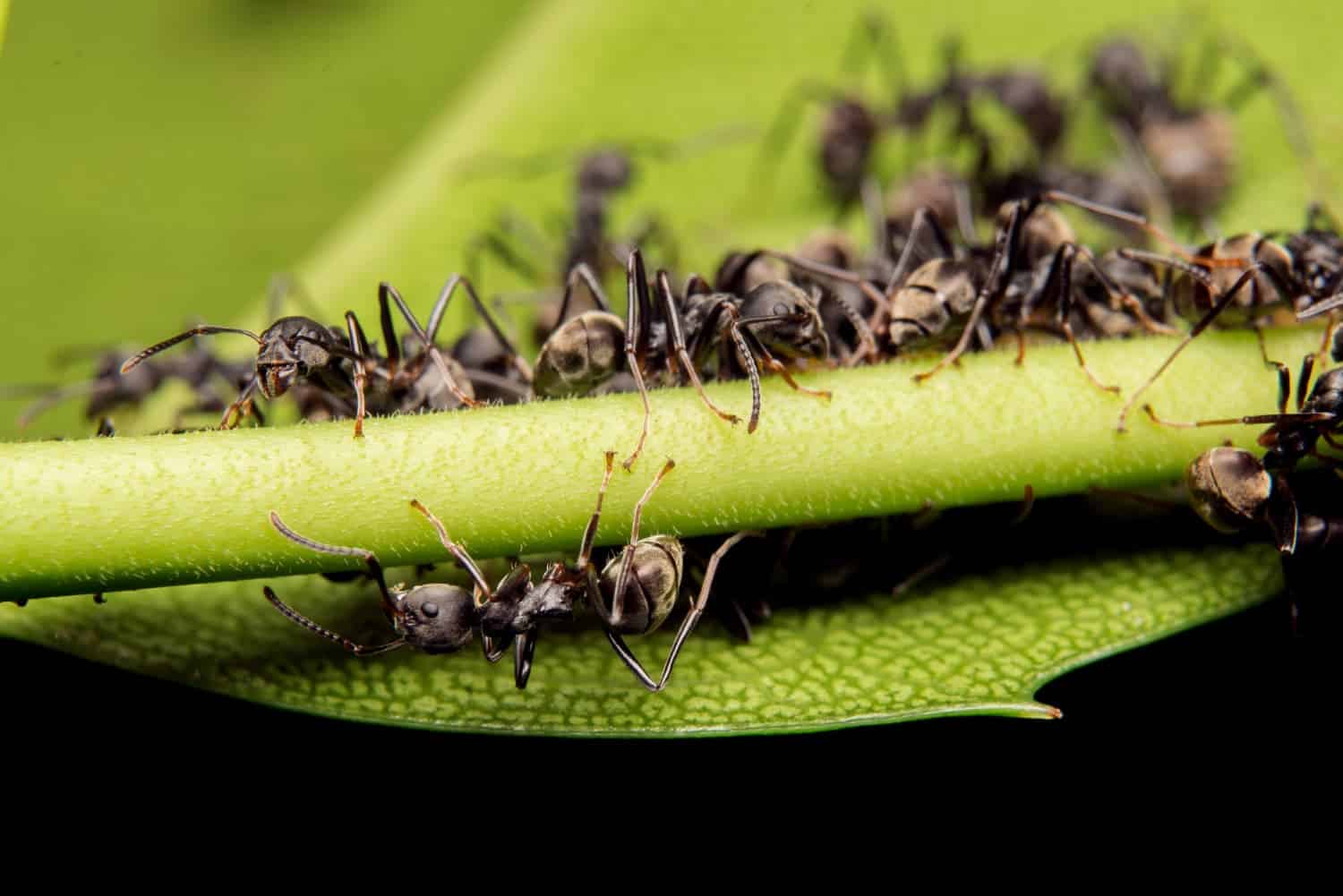
As spring arrives, you’ll likely notice an army of ants marching across your yard or kitchen floor. These tiny pests are notorious for their relentless pursuit of food, driven by their instinctual ant behavior. They form trails to efficiently gather resources, which can quickly turn your home into their feeding ground. If you’re spotting them indoors, it’s crucial to act fast. Implementing effective pest control methods not only helps eliminate the current infestation but also prevents future invasions. Seal off entry points, keep food stored properly, and maintain a clean environment. If the problem persists, consider consulting a professional pest control service to tackle the issue comprehensively. Don’t let these marching menaces ruin your springtime enjoyment!

Mosquitoes: The Outdoor Buzzkill

While you’re trying to enjoy the warm spring sunshine, the incessant buzzing of mosquitoes can quickly turn your outdoor experience into a nightmare. These pesky insects thrive in warm weather, making mosquito breeding a common sight in stagnant water around your yard. If you’re not careful, they can turn your backyard BBQ into a bite-filled disaster.

What’s more concerning is their role in disease transmission. Mosquitoes can carry dangerous viruses like West Nile and Zika, posing serious health risks to you and your family. To protect yourself, eliminate standing water where mosquitoes breed and consider using repellents when spending time outdoors. By staying vigilant, you can reclaim your outdoor space and enjoy the beauty of spring without the buzzkill!

Flies: Uninvited Guests

Just when you thought you could relax outside, flies decide to crash the party. These uninvited guests can be more than just annoying; they can spread diseases too. To keep them at bay, focus on effective fly control methods. Start by implementing some simple sanitation tips. Make sure to clean up food spills and keep trash tightly sealed. Cover food when you’re outdoors and avoid leaving pet dishes out for long periods. If you notice flies hanging around, consider using traps or natural repellents. Regularly check your yard for any standing water or decaying organic matter, as these can attract flies. By staying vigilant and proactive, you can enjoy your outdoor space without the nuisance of flies.

Ticks: Hidden Dangers

When you step into nature this spring, don’t let ticks ruin your outdoor experience. These tiny pests can latch onto you or your pets without you even noticing. Practicing effective tick prevention is crucial. Always wear light-colored clothing, which makes it easier to spot ticks, and use insect repellent containing DEET. After a day outside, check yourself and your pets thoroughly for ticks, especially in hidden areas like behind the ears and underarms. Remember, ticks can transmit serious tick-borne diseases like Lyme disease and Rocky Mountain spotted fever. If you find a tick on you, remove it promptly with tweezers. Staying vigilant and informed will help you enjoy the beauty of spring while minimizing the risks associated with these hidden dangers.

Stink Bugs: The Smelly Intruders

As you enjoy the great outdoors this spring, be aware of another unwelcome guest: stink bugs. These smelly intruders often invade homes seeking shelter, especially when the weather turns cooler. Their behavior includes clustering in large groups, making them easy to spot but hard to ignore. You might first notice them near windows or doors, trying to get inside.

To prevent stink bugs from invading your space, seal any cracks and gaps around your home. Use screens on windows and doors to keep them out. Additionally, consider cleaning up your garden, as they’re attracted to certain plants. By staying vigilant and proactive, you can keep these pests where they belong—outside!

Conclusion

As spring unfolds in Schererville, staying aware of these pests is essential for enjoying the season. By taking proactive measures, like sealing entry points and eliminating standing water, you can keep ants, mosquitoes, flies, ticks, and stink bugs at bay. Don’t let these unwelcome guests ruin your outdoor fun—armed with knowledge and a few preventive strategies, you’ll be ready to tackle any pest problem that comes your way. Enjoy a pest-free spring!