Are Pests Still Active in January? What Homeowners Should Know

Image of Pests

Are Pests Still Active in January? What Homeowners Should Know

Many homeowners assume that once winter arrives, pest problems disappear. Cold temperatures, snow, and freezing conditions often give the impression that insects and rodents go dormant until spring. However, the reality is very different. While some pests do slow down during winter, many remain active — and January can actually be one of the most common times for indoor infestations.
Understanding which pests are still active in winter and how they behave can help homeowners take proactive steps to protect their homes during the colder months.

Why Pests Don’t Disappear in Winter

Pests are driven by two basic needs: shelter and food. When outdoor temperatures drop, many pests seek warmth and protection indoors. Homes, apartments, and commercial buildings provide ideal environments where pests can survive throughout winter.
Cracks in foundations, gaps around doors and windows, attic vents, crawl spaces, and utility openings all serve as easy entry points. Once inside, pests can remain active year-round — even when outdoor conditions are harsh.

Common Pests That Stay Active in January

Rodents

Rodents are among the most active winter pests. Mice and rats actively seek shelter indoors as temperatures drop, making January a peak time for infestations. Once inside, rodents can cause structural damage, contaminate food, and pose health risks through droppings and urine.

Ants

While outdoor ant activity slows in winter, certain species can remain active indoors. If ants have already established a nest inside walls or foundations, they may continue searching for food throughout January.

Cockroaches

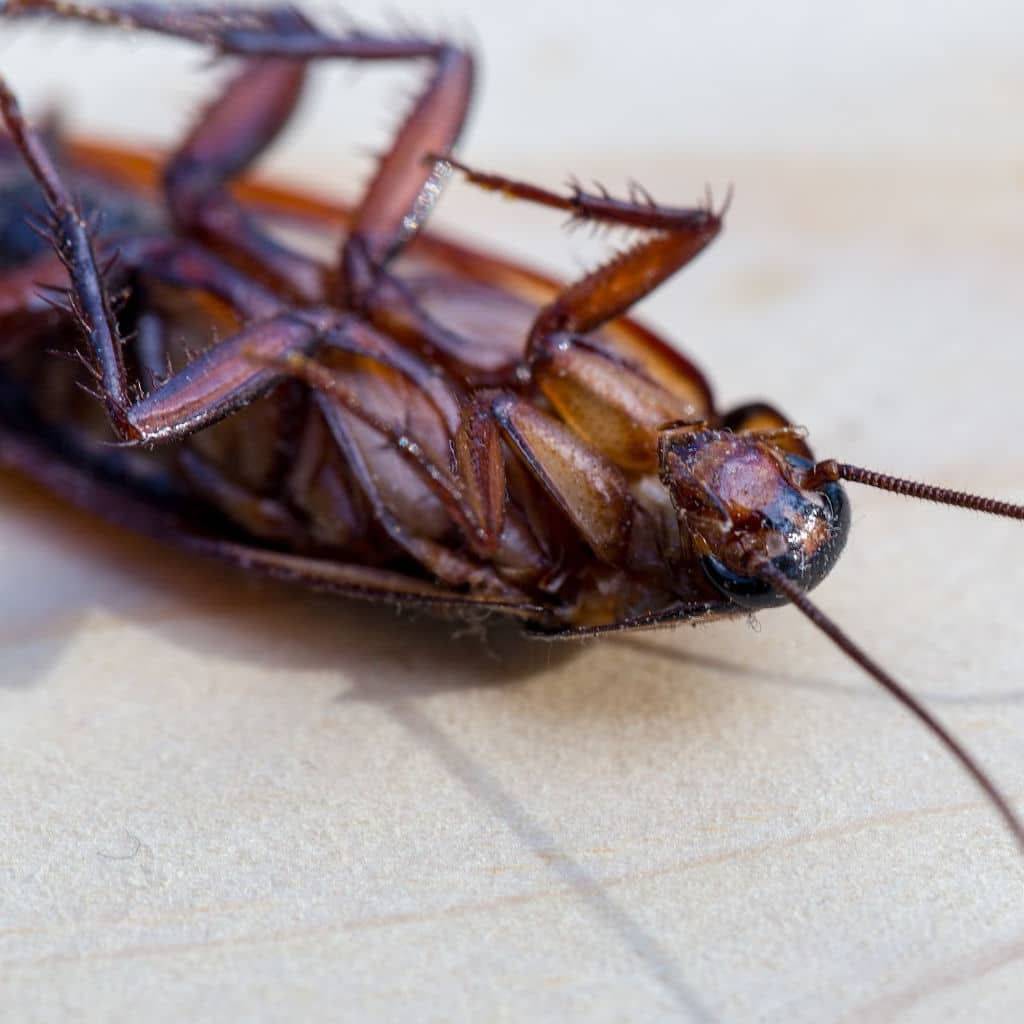
Cockroaches thrive in warm, humid environments and are well-known for surviving winter indoors. Kitchens, bathrooms, basements, and utility rooms provide ideal hiding places, making January a common time for homeowners to notice roach activity.

Bed Bugs

Bed bugs are unaffected by seasonal temperature changes inside a home. They remain active all year and often spread through travel, guests, or secondhand furniture — even during winter months.

Spiders

While many spiders die off in cold weather, others move indoors to survive. January is often when homeowners notice spiders in basements, garages, and storage areas.

Why Winter Pest Problems Can Be Worse Indoors

Because homes are sealed up tightly during winter to conserve heat, pests that get inside are more likely to stay. Reduced airflow, stored food, and less frequent inspections of basements and crawl spaces can allow infestations to grow unnoticed.
Additionally, winter infestations are often harder to detect until they become more established, which can lead to larger problems by early spring.

How Homeowners Can Prevent Winter Pest Infestations

Seal Entry Points

Because homes are sealed up tightly during winter to conserve heat, pests that get inside are more likely to stay. Reduced airflow, stored food, and less frequent inspections of basements and crawl spaces can allow infestations to grow unnoticed.

Eliminate Food Sources

Store food in sealed containers, clean up crumbs promptly, and avoid leaving pet food out overnight. Even small food sources can attract pests during winter.

Reduce Clutter

Cluttered basements, garages, and storage areas provide ideal hiding spots for pests. Keeping these areas organized makes infestations easier to detect and prevent.

Maintain Regular Pest Control

Preventative pest control services are one of the most effective ways to stop winter infestations before they start. Routine inspections and treatments help identify early signs of activity and eliminate pests before they become a larger issue.

Is January a Good Time for Pest Control Services?

Yes — January is actually an excellent time for pest control. Treating your home during winter can help eliminate existing pests and prevent infestations from carrying into spring. Preventative maintenance during colder months reduces the likelihood of increased pest activity when temperatures rise.
Professional pest control technicians can identify hidden infestations, seal vulnerabilities, and implement targeted treatments designed for winter pest behavior.

Protect Your Home from Pests This Winter

Pests don’t take the winter off — and neither should your pest control strategy. Whether it’s rodents seeking warmth, insects nesting indoors, or year-round pests like bed bugs and cockroaches, January infestations are more common than many homeowners realize.

If you suspect pest activity or want to take a proactive approach, scheduling professional pest control services during winter can help keep your home protected and pest-free all year long.

The Long Game: Maintaining Ant Prevention Strategies Throughout the Year

The Long Game: Maintaining Ant Prevention Strategies Throughout the Year

The Long Game: Maintaining Ant Prevention Strategies Throughout the Year

You’ve likely noticed that ant invasions aren’t just a summer nuisance; they can persist throughout the year if you’re not vigilant. By understanding ant behavior and adapting your prevention techniques seasonally, you’ll keep these persistent pests at bay. For instance, spring calls for strict hygiene and moisture control, but what happens when summer brings its own unique challenges? Staying ahead involves more than just reacting—it’s about anticipating. Let’s discover how you can adapt your strategies in the warmer months to ensure ants don’t overrun your space, and why this could be more crucial than you might think.

Understanding Ant Behavior by Season

Ants adjust their behavior with the changing seasons, so it’s crucial to know what they’re up to throughout the year.

In the summer, you’ll find them in full force. This is their peak activity period, where they’re mostly gathering food and expanding their colonies. They’re not just in your kitchen for a quick visit; they’re scouting for resources to sustain their colonies through less bountiful times.

As fall approaches, their focus shifts towards preparation for the colder months. This is when they begin to retreat, taking with them the spoils of their summer raids. They store food and reinforce their nests against the coming chill. You might notice a decrease in sightings, but don’t be fooled. They’re still there, just less visible, hunkering down.

Winter sees them largely inactive, hidden away. They enter a state of dormancy, reducing their metabolic rate to conserve energy. It’s easy to think your ant problem is solved during this time, but they’re simply biding their time, waiting for spring.

Understanding these patterns helps you anticipate their movements and behaviors, making it easier to keep them at bay.

Spring Ant Prevention Techniques

As spring arrives, you’ll want to implement specific prevention techniques to keep ants out of your home.

Firstly, ensure your kitchen remains spotless. Wipe down surfaces immediately after use and vacuum regularly to remove food particles that attract ants. Don’t forget to empty the trash daily and store it in sealed bins outside. Next, address moisture issues. Ants are drawn to water, so fix leaky taps and ensure drainage systems work properly. In the bathroom, frequently check for standing water near the shower and sinks. Consider natural deterrents too. Cinnamon, peppermint oil, and coffee grounds can act as natural repellents. Place these around entry points and in kitchen cabinets. Inspect the exterior of your house for cracks and crevices. Seal any openings with silicone caulk to deny ants access. Pay extra attention to areas where utility pipes enter. Remove debris and trim back vegetation from the house perimeter to minimize nesting sites. Lastly, set up ant baits early in the season. These can help reduce the colony size by targeting the ants you don’t see, preventing future invasions.

Summer Ant Control Strategies

Moving into summer, you’ll need to ramp up your efforts to control ant populations effectively. During these warmer months, ants become more active and their foraging can lead to larger infestations if not managed promptly. You should start by ensuring your kitchen and dining areas are free of food particles and spills. Regularly wipe down surfaces and sweep floors to eliminate crumbs and residues that attract ants In your yard, keep an eye on ant hills and use targeted treatments if you notice activity around your home’s foundation. It’s also a good idea to prune any tree branches or shrubs that touch your house, as these can provide pathways for ants to enter.

Consider using natural deterrents like cinnamon, peppermint oil, or lemon juice around entry points. Ants dislike these scents and they can help keep them at bay without the use of harsh chemicals. If you’re dealing with a persistent ant problem, bait traps can be effective. Place them in areas where you’ve seen ants, but ensure they’re out of reach of children and pets.

Fall Ant Management Tips

With the arrival of fall, it’s important to adapt your ant control strategies to the changing conditions. As temperatures drop, ants start searching for warmer spots to survive, often leading them right into your home. You’ll want to focus on prevention now more than ever.

Firstly, inspect your home’s exterior for cracks or crevices. These can be prime entry points for ants. Seal any openings with caulk or another appropriate sealant. Pay special attention to areas where utility pipes enter, as these can often be overlooked. Next, manage your yard debris. Fallen leaves and stacked firewood can provide shelter for ants. Keep woodpiles away from your house and clear up any leaf litter. This reduces the chances of ants establishing colonies right next to your home. Also, maintain cleanliness indoors. Store food in sealed containers and promptly clean up crumbs and spills. Ants are attracted to food sources, and even small amounts can lead to big problems.

Winter Ant Deterrence Methods

You’ll need to enhance your ant deterrence measures as winter deepens and indoor invasions become more likely. As the cold sets in, ants search for warmth and food, often leading them straight into your home. It’s crucial to focus on both prevention and control to keep them at bay.

Firstly, seal up any cracks or openings around your home’s foundation, doors, and windows. Ants can enter through the tiniest gaps, so this step is essential. Use silicone caulk or weather stripping for an effective seal. Next, ensure your kitchen is spotless. Wipe down surfaces to remove crumbs and spills, and store food in airtight containers. Ants are attracted to sugar and protein, so keeping your food sealed will cut off their supply. Moreover, consider placing natural deterrents like cinnamon, peppermint oil, or coffee grounds near entry points. These scents are often effective in repelling ants. Lastly, if you’re facing an ongoing problem, setting out ant baits can help. These baits attract ants, which then carry the poison back to their colony, addressing the issue at its source.

As you’ve seen, tackling ant prevention year-round isn’t just a one-season affair. Start in spring by keeping areas clean and dry. In summer, guard your food and explore natural repellents. Come fall, inspect and seal your home’s exterior. And don’t let up in winter—continue to keep your space tidy and moisture-free. By understanding ant behavior and adapting your strategies with each season, you’ll keep these persistent invaders at bay all year long.

Tips For Selecting Pest Control Service In Schererville IN

Tips For Selecting Pest Control Service In Schererville IN

The suburbs of Schererville, IN are a beautiful place to live but they come with one major downside: pests! Whether you’re dealing with ants, spiders, or rodents, having an infestation in your home is not only unpleasant but can be dangerous if left untreated. To make sure you get the best and most reliable pest control service for your needs, it’s important to know what you should look out for when selecting a provider. In this article, we will provide some tips on how to choose the right pest control service in Schererville, IN.

The first thing that you want to do is check online reviews and ratings from previous customers so that you can get an idea of whether or not their services have been satisfactory. You’ll also want to ask around – friends, family members, co-workers – who have used pest control services in the area in order to find out which companies are worth considering. Another great way to research providers is by reaching out directly to local businesses since they may be able to provide valuable information about quality services near you.

Finally, once you’ve narrowed down your list of potential pest control providers it’s time to start making calls and asking questions. It’s important to inquire about pricing as well as any guarantees offered on services rendered; if there’s something wrong after the initial treatment then finding out before signing up could save time and money later on down the line. Keep reading for more helpful tips on choosing the right pest control company for your needs!

Common Pests In Schererville, In

Schererville, IN is home to many types of pests. Common household pests include mice, spiders, cockroaches, ants, and bed bugs. Rodents such as rats can also be found in residential areas and garages. Stinging insects like wasps and bees may nest near structures around the area. Outdoor nuisance pest issues occur from time to time with animals such as skunks and raccoons digging through trash or other debris looking for food. The Indiana Department of Natural Resources has a list of common wildlife that are known to frequent backyards throughout Schererville.

When it comes to selecting a pest control service in Schererville, there are several factors to consider. It’s important to make sure they have experience dealing with the type of pest issue you are facing at your property. Additionally, inquire about their methods of extermination; some companies utilize chemical treatments while others focus on more natural solutions such as traps or plugging entry points into homes or buildings.

It’s also wise to ask for references from previous customers so you can get an idea of how satisfied people were with the services provided by the company in question. Make sure any potential company is properly licensed and insured before making your final decision on who should take care of your pest problem in Schererville!

Identifying A Pest Problem

Now that you know what pests can affect your home or business in Schererville, IN, it’s time to determine if you have a pest problem. It’s important to identify the type of pest and where they are located before selecting a pest control service. The following tips will help you quickly and accurately identify any signs of infestation:

First, be aware of potential hiding spots around your property. Look for dark places such as under furniture, behind appliances, in closets or beneath sinks. This is especially important if there is moisture present since some pests like moist environments. Also pay attention to small holes in walls or crevices near windowsills – these could indicate an entry point for insects.

Second, keep an eye out for droppings or shed skins from insects which may indicate that they are already nesting inside your home or office space. Additionally, look for tracks on counters and other surfaces which could suggest crawling bugs like cockroaches. Finally, listen carefully for strange noises coming from within the walls; this could mean rodents are living inside them!

To make sure you don’t miss anything during this process, it helps to enlist the help of a professional pest control expert who has experience identifying different types of pests and their habitats. They can provide valuable advice about how to prevent future infestations as well as recommend specific treatments depending on the severity of the current situation.

Researching And Comparing Services

When looking into pest control services in Schererville, IN, it’s important to do your research and take the time to compare. Start by making a list of potential companies that offer professional pest control services. Look for reviews online from past customers as well as look at their website for more information about their experience and services offered. This is an important step so you can get an idea if the company has a good reputation or not.

Next, contact the companies on your list and ask questions such as what type of training their technicians have received, how long they’ve been in business, and which specific pests they specialize in eliminating. Also inquire about any certifications they may hold and whether they are insured or bonded. It’s also advisable to ask if there are any guarantees with the service being provided.

Once you have all this information gathered up, it’s time to make a decision based on who provides the best value for money when compared side-by-side with other companies offering similar services. Once you decide on a company that meets all your needs, be sure to read through their contract thoroughly before signing anything -to ensure everything is clear and comprehensive in regards to service expectations, costs etcetera.. After doing these steps carefully and cautiously you should feel confident in selecting the right pest control service for your situation!

Licensing And Accreditation Requirements

Once you’ve identified some potential pest control services in Schererville, IN, it’s time to start researching the companies and their licensing requirements. It is essential that a company have proper accreditation from relevant organizations in order to provide quality service. Different states may have different regulations regarding licensure of pest control operators and technicians. Check with local government agencies to ensure any pest control provider has met the necessary standards for certification or registration.

Be sure to ask each provider about their qualifications and certifications, as well as what type of training they require for employees who will be coming into your home or business. The National Pest Management Association (NPMA) provides professional credentials that signify an individual’s expertise on topics such as safety practices and technical knowledge related to pest management. Additionally, look for providers who carry insurance policies for both general liability coverage and workers’ compensation—this will protect you from any damages caused by the technician while performing work on your property.

Before signing a contract with a particular provider, make sure all applicable laws and regulations are being followed, including those covering pesticide use. Also inquire if the supplier offers guarantee programs so that follow-up visits can be made if needed at no additional cost. Doing due diligence now will help you select a qualified and reliable pest control operator for your needs in Schererville, IN.

Check References And Reviews

When selecting a pest control service, checking references and reviews is essential. It’s important to research the qualifications of any provider you are interested in hiring. Ask friends or family members who have had experience with different services for their opinions on quality and customer satisfaction. Additionally, look online to read reviews from other customers about the company’s performance and reliability. By doing this research, it’ll help ensure that you end up choosing the right service for your needs.

It’s also necessary to verify whether or not the pest control service has been certified by state regulatory agencies such as the Indiana State Department of Agriculture (ISDA). You should ask them directly if they possess all required certifications before signing any contracts or making payments. Furthermore, when speaking with current and former clients of prospective providers, be sure to inquire about their experiences with the particular service in question – how did they address issues? Was communication clear? Were expectations met? These questions can provide valuable insight into what kind of results you may expect from a given provider.

Ultimately, it takes time and effort to find an appropriate pest control service in Schererville, IN; however, taking these steps will help guarantee a successful outcome for both parties involved. Do your homework ahead of time so you can make an informed decision that best fits your individual requirements.

Determine Treatment Frequency

Now that you’ve gathered reviews and references, it’s time to determine treatment frequency. When selecting a pest control service in Schererville, be sure to ask about the frequency of treatments they will provide. Depending on your needs and budget, you may need more or fewer visits from an exterminator.

It is important for homeowners to understand how often their home should be treated by a professional pest control company. To avoid infestations, many companies recommend monthly treatments. However, if there are only occasional problems with pests, bi-monthly or quarterly treatments can still offer effective protection against unwanted critters.

When researching potential extermination services, consider asking them what type of preventive measures they use between scheduled visits. Ask if they have any plans for monitoring activity in problem areas and look into whether they also offer emergency visits when needed. This information can help you make an informed decision on which provider will best suit your particular needs.

Request A Detailed Quote & Contract

When selecting a pest control service in Schererville, IN it is essential to request a detailed quote and contract. This will help you understand the scope of services that are offered, as well as their associated costs. It can also provide information on any guarantees or warranties provided by the company.

Be sure to review the terms and conditions carefully before signing a contract. Ensure that all fees are clearly stated and included in the cost estimate. Ask questions about anything you don’t understand and be aware of any hidden charges or additional fees which may not have been initially discussed.

It’s important to check for references from past customers so that you can gain an understanding of how reliable and efficient your chosen pest control service is. Evaluating reviews online can also give insight into customer satisfaction levels with the company’s services. Taking these steps will ensure that you get the best value for money when hiring a pest control service in Schererville, IN.

Ask About Additional Services & Supplies

When selecting a pest control service in Schererville, IN, it is important to ask about additional services and supplies. These can range from cleaning up after the pests are gone to providing ongoing maintenance. If you need additional help with prevention or extermination of any kind, be sure to inquire if the company offers these services as part of their package. Many companies will also provide advice on how best to prevent future infestations.

You should also consider asking questions about the types of products used by the pest control business. This includes insecticides, baits, traps, sprays, etc., that may be utilized during treatment sessions. It’s important to make sure that all products being used are safe and effective for your home environment. Additionally, inquire about safety gear such as masks and gloves so you know what precautions you have to take when dealing with potentially hazardous materials.

Finally, ask for details regarding warranties offered by the company for its services and products. Knowing what type of warranty exists can give you peace of mind knowing that your investment is protected against potential damage resulting from improper use or misuse of equipment or chemical substances. Understanding this information upfront can save you time, money and hassle down the road if something goes wrong with the job.

Conclusion

When selecting a pest control service in Schererville, IN, it’s important to do your research. From identifying common pests in the area and determining whether you have an infestation, to researching services and conducting reviews of companies, the process can be daunting. However, with the right due diligence and by following these tips for selecting a reputable pest control service provider, you’ll have peace of mind that your family is safe from harmful pests.

It’s essential to ensure any company you consider meets all licensing and accreditation requirements while also offering competitive prices and additional services or supplies if needed. Don’t forget to check references left by past customers – this will give you further insight into their level of customer service and quality of workmanship. Finally, request a detailed quote and contract before committing so that there are no surprises down the line!

Overall, doing your homework ahead of time will help make sure you select a reliable pest control service that best fits your needs – leaving you feeling secure knowing your home is properly protected against pests.

4 Essential Tips for Home Pest Prevention

4 Essential Tips for Home Pest Prevention

4 Essential Tips for Home Pest Prevention

When temperatures begin to rise in Northwest Indiana and the Chicagoland area, homeowners look forward to spending more time outdoors. Unfortunately, warmer weather also brings increased activity from ants, mosquitoes, spiders, and other common household pests.

While it may be impossible to prevent every insect or rodent from approaching your property, maintaining your home’s exterior can make it less attractive to unwanted visitors.

Many pests enter homes because they find easy access to food, moisture, and shelter. Small maintenance issues, such as damaged window screens, overgrown shrubs, and standing water, can create favorable conditions for pest activity.

The good news is that homeowners can take several practical steps to reduce these risks.

At Rapid Pest Solutions, we believe effective pest control begins with prevention. Here are four essential tips for homeowners who want to protect their property throughout the year.

1. Keep Shrubs, Trees, and Landscaping Away From Your Home

A well maintained landscape improves your property’s appearance, but overgrown vegetation can also provide shelter and access routes for pests.

Branches, shrubs, and other plants touching your home’s exterior may make it easier for insects to move toward windows, siding, and other potential entry points.

Trim Vegetation Around Your Foundation

Inspect the landscaping surrounding your home and look for plants growing directly against the structure.

Consider these preventive steps:

  • Trim shrubs and bushes so they do not touch exterior walls.
  • Cut back tree branches that rest against siding or roofing.
  • Remove fallen leaves and accumulated plant debris.
  • Keep weeds and dense vegetation under control near the foundation.
  • Inspect landscaping regularly during warmer months.

Creating space between vegetation and your home also makes it easier to notice cracks, moisture problems, or signs of pest activity.

Store Firewood Away From Exterior Walls

Firewood piles can provide hiding places for ants, spiders, rodents, and other pests.

Avoid stacking firewood directly against your home’s siding or foundation. When possible, store it away from the structure and elevate it off the ground.

Before bringing firewood indoors, inspect individual pieces for insects.

These simple habits can reduce the chances of accidentally introducing unwanted pests into your home.

2. Seal Cracks, Gaps, and Other Pest Entry Points

Even a well maintained home may have small openings that allow insects or rodents to enter.

Pests can find their way inside through gaps around doors, damaged weatherstripping, cracks near the foundation, and openings surrounding utility lines.

One of the most important steps in home pest prevention is identifying and addressing these access points.

Inspect Your Home’s Exterior

Walk around your property and examine areas where different building materials meet.

Pay particular attention to:

  • Cracks in the foundation.
  • Gaps around exterior doors and windows.
  • Openings where plumbing or electrical lines enter the home.
  • Damaged siding or loose exterior trim.
  • Openings near basement windows.
  • Gaps beneath garage doors.

Small openings may be sealed with appropriate caulk or other suitable materials. Larger gaps and structural damage may require professional repairs.

Rodents can enter through surprisingly small openings, making regular exterior inspections especially important.

Repair Damaged Screens and Door Seals

Window and door screens help keep flying insects outside while allowing fresh air to circulate.

Inspect screens for tears, holes, and loose edges. Replace damaged materials and confirm that screens fit securely.

Check weatherstripping and door sweeps as well. A noticeable gap beneath an exterior door can become an entry point for crawling insects or rodents.

These repairs are particularly useful during spring and summer when windows and doors may be opened more frequently.

3. Manage Mulch and Moisture Around Your Foundation

Mulch can help maintain garden beds and improve the appearance of your landscaping. However, consistently damp mulch and excessive moisture near your home may create favorable conditions for certain pests.

Ants, earwigs, millipedes, and other moisture seeking insects are often found in damp outdoor environments.

Avoid Excessively Thick or Wet Mulch

Inspect mulch beds near your home’s foundation, particularly after periods of heavy rainfall.

To help limit pest friendly conditions:

  • Avoid piling mulch directly against siding or wooden exterior materials.
  • Maintain an appropriate mulch depth for your landscaping.
  • Remove decaying leaves and debris from garden beds.
  • Check areas where mulch remains wet for extended periods.
  • Improve drainage where water collects near the foundation.

Mulch does not automatically cause an infestation. The concern is creating areas where moisture and shelter remain available to pests.

Address Outdoor Drainage Problems

Water collecting near a foundation may attract moisture seeking insects and contribute to other property maintenance concerns.

Check that downspouts direct water away from the home and that gutters are not blocked by leaves or debris.

Look for leaking outdoor faucets, hoses, or irrigation connections that keep surrounding soil unnecessarily wet.

Addressing moisture problems helps make the exterior environment less inviting to certain pests.

4. Remove Standing Water to Help Prevent Mosquitoes

Mosquitoes are among the most frustrating pests homeowners encounter during warmer months.

They can interfere with outdoor activities and reproduce in areas where water remains standing long enough for their development.

Backyards often contain overlooked places where rainwater collects.

Check Common Mosquito Breeding Areas

Take time to inspect your yard after rainfall.

Potential water collection areas include:

  • Empty flowerpots and plant saucers.
  • Buckets and watering cans.
  • Children’s outdoor toys.
  • Unused kiddie pools.
  • Birdbaths.
  • Clogged gutters.
  • Tarps and outdoor equipment covers.
  • Discarded containers and tires.

Empty or remove unnecessary standing water at least once a week and after significant rainfall.

For items such as birdbaths, regularly replacing the water and cleaning the container can help disrupt mosquito development.

Maintain Outdoor Spaces Throughout the Season

Mosquito prevention works best when it becomes part of your regular yard maintenance routine.

Keep gutters flowing, remove unnecessary containers, and check shaded areas where water may remain after the rest of the yard has dried.

If mosquitoes continue to interfere with outdoor activities despite these efforts, professional mosquito control may provide an additional layer of protection.

Rapid Pest Solutions offers mosquito control options that can be tailored to seasonal needs and outdoor events.

Why Is Preventive Pest Control Important for Homeowners?

Pest prevention is about reducing the conditions that allow insects and rodents to enter, survive, and reproduce around your property.

In addition to maintaining your home’s exterior, remember to:

  • Store food in sealed containers.
  • Clean kitchen spills and crumbs promptly.
  • Keep garbage containers closed.
  • Repair indoor plumbing leaks.
  • Reduce clutter in basements, garages, and storage areas.
  • Inspect boxes and packages before bringing them indoors.

These habits complement the four outdoor maintenance tips and help create a more complete pest prevention routine.

When Should Homeowners Consider Professional Pest Control?

Preventive maintenance can significantly reduce opportunities for pest activity, but it cannot guarantee that your home will remain free of pests.

Sometimes insects or rodents establish themselves before homeowners notice the warning signs.

Consider contacting a pest control professional if you observe:

  • Ants repeatedly entering the same room.
  • Rodent droppings or gnaw marks.
  • Cockroaches in kitchens, bathrooms, or storage areas.
  • Frequent insect activity near windows and doors.
  • Signs of termite activity or damaged wood.
  • Pest problems that continue despite cleaning and repairs.

Professional pest control begins with understanding the type of pest involved and the conditions contributing to its presence.

Rather than relying on repeated treatments without a clear strategy, an inspection can help determine which areas require attention and whether additional preventive measures are necessary.

Frequently Asked Questions

What Is the Best Way to Prevent Pests From Entering Your Home?

Effective home pest prevention begins with eliminating common entry points and reducing access to food, water, and shelter. Seal cracks around foundations, repair damaged window screens, maintain door seals, and keep landscaping away from exterior walls. Regular cleaning and moisture control can also make your home less attractive to insects and rodents.

How Often Should Homeowners Inspect Their Property for Pests?

Homeowners should inspect their properties regularly throughout the year, especially during seasonal changes. Spring and summer inspections can help identify insect activity, standing water, and damaged screens. During fall and winter, check for openings that may allow rodents to seek shelter indoors. Additional inspections after severe weather can help identify newly damaged areas.

Does Mulch Around the House Attract Pests?

Mulch does not automatically cause pest infestations, but damp mulch can provide favorable conditions for moisture seeking insects such as ants, earwigs, and millipedes. Avoid piling mulch directly against siding or wooden structures, maintain appropriate mulch depth, and address areas where water accumulates. Keeping garden beds maintained can help reduce potential pest hiding places.

How Can I Prevent Mosquitoes From Breeding in My Yard?

The most effective preventive step is to remove unnecessary standing water. Empty buckets, flowerpot saucers, outdoor toys, and other containers that collect rainwater. Clean birdbaths regularly, maintain gutters, and inspect the yard at least once a week during mosquito season. If mosquito activity remains a concern, professional mosquito control services may provide additional assistance.

Is Regular Pest Control Necessary if I Do Not See Any Pests?

Not every home requires routine pesticide applications when no pests are present. However, preventive inspections and maintenance can help identify potential problems before infestations develop. A professional can evaluate entry points, moisture conditions, and other risk factors to determine whether monitoring, preventive measures, or a pest control program would be appropriate for your property.

Protect Your Home With Rapid Pest Solutions

Maintaining your landscaping, sealing exterior gaps, managing moisture, and removing standing water are four practical steps that can help prevent unwanted pests.

These simple habits can make a difference, especially when combined with regular inspections and attention to early warning signs.

When pests become a persistent problem, Rapid Pest Solutions is here to help.

We provide professional pest control services for residential and commercial properties throughout Northwest Indiana and the Chicagoland area. Our team develops pest management strategies based on the specific conditions and concerns affecting your property.

Whether you are dealing with ants, rodents, mosquitoes, or other common pests, we can help you identify the problem and determine an appropriate course of action.

Take the next step toward a more comfortable home. Contact Rapid Pest Solutions or call 219 836 5066 to discuss your pest control needs.

3 Reasons Why You Should Not Do Your Own Pest Control

3 Reasons Why You Should Not Do Your Own Pest Control

3 Reasons Why You Should Not Do Your Own Pest Control

Finding ants in your kitchen, spiders in the basement, or mice in the garage can make you want to solve the problem immediately. A quick trip to the hardware store might seem like the easiest and most affordable solution. After all, why hire a pest control professional when you can purchase traps, sprays, and other products yourself?

While some household pest problems can be managed with basic prevention, doing your own pest control is not always the best approach. Store bought products may provide temporary relief without addressing the cause of an infestation. Incorrect applications can also introduce unnecessary safety concerns.

At Rapid Pest Solutions, we understand why homeowners want to handle pest problems themselves. However, knowing when to seek professional help can save time, reduce frustration, and prevent minor pest activity from developing into a larger problem.

Here are three important reasons to reconsider DIY pest control.

1. DIY Pest Control May Not Address the Actual Problem

One of the biggest challenges with DIY pest control is determining exactly what pest you are dealing with and why it is entering your home.

Different pests require different treatment methods. A product designed for one insect may be ineffective against another. Even when you identify the pest correctly, treating the insects you can see may not address the nest, colony, or conditions supporting the infestation.

Correct Pest Identification Matters

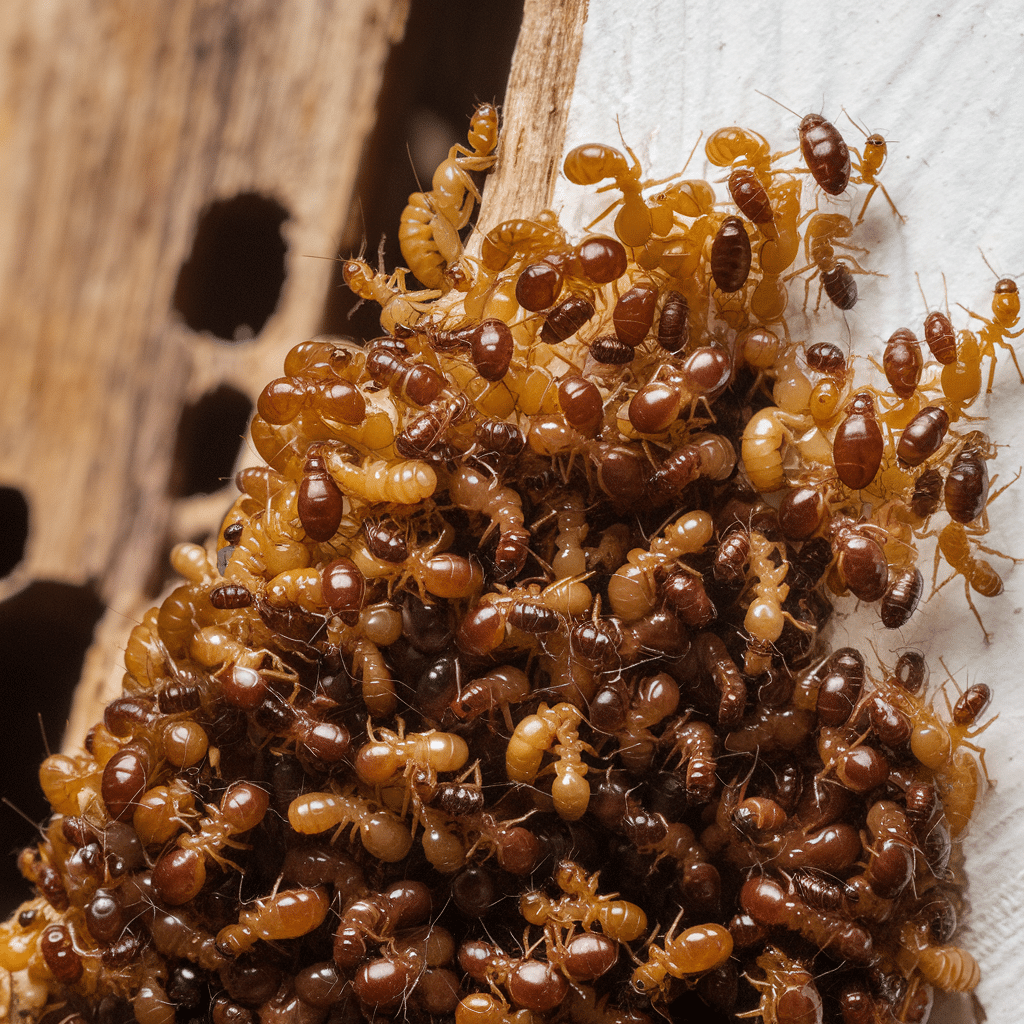
Consider the difference between carpenter ants and termites. Both may be associated with wood damage, but their behavior and treatment requirements are different. Applying a general insect spray without understanding the pest could delay the appropriate response.

The same problem can occur with rodents. Catching one mouse does not necessarily mean you have found every entry point or eliminated the conditions attracting rodents indoors.

Professional pest control technicians are trained to recognize pest activity, identify likely hiding places, and recommend treatment methods appropriate for the situation.

Visible Pests May Be Only Part of the Infestation

Cockroaches can hide inside cabinets, behind appliances, and in narrow cracks. Ant colonies may be located outside the home, even when workers are appearing indoors. Bed bugs can occupy seams, furniture joints, and other concealed spaces.

Treating only the visible pests may leave the larger problem untouched.

A professional inspection helps determine where pests are active, what may be attracting them, and which treatment areas deserve attention.

2. Improper Pest Control Products Can Create Safety Risks

Many homeowners assume that products sold at hardware stores are safe to use anywhere around the house. However, pesticide safety depends on following the product label, using the correct amount, and applying it only in approved locations.

Using additional products does not necessarily improve results. In some cases, it can increase unnecessary exposure for household members, pets, or the surrounding environment.

Incorrect Application Can Cause Problems

Common mistakes include:

  • Applying outdoor pesticide products inside the home.
  • Using more pesticide than the label recommends.
  • Combining different products without understanding their instructions.
  • Spraying areas where children or pets may come into contact with treatment residues.
  • Applying pesticides near food preparation areas without following the required precautions.
  • Using products in locations where they may affect beneficial insects or other wildlife.

Professional Treatment Focuses on Appropriate Application

Pest control professionals have training in selecting products and applying treatments according to their intended use.

At Rapid Pest Solutions, we use an Integrated Pest Management approach. This involves considering pest identification, environmental conditions, preventive measures, and appropriate treatment options.

The goal is to address pest activity effectively while minimizing unnecessary risks to people, pets, and the environment.

Professional pest control does not mean applying chemicals throughout every room. Depending on the pest and the circumstances, targeted applications and preventive recommendations may be more appropriate.

3. DIY Pest Control Can Lead to Recurring Infestations

Another reason homeowners struggle with DIY pest control is that eliminating visible pests does not always stop new ones from entering.

A homeowner might spray ants around a kitchen window, only to find more ants a week later. Mouse traps may catch a few rodents, but additional mice can enter through an opening that has not been sealed.

Without addressing the underlying conditions, the problem may continue.

Pest Problems Often Begin With Food, Water, and Shelter

Common conditions that attract pests include:

  • Food crumbs and improperly stored pantry items.
  • Leaking pipes and excess moisture.
  • Open garbage containers.
  • Gaps around doors, windows, and utility lines.
  • Cluttered storage areas that provide hiding places.
  • Overgrown vegetation near a home’s exterior.

A pest control plan should consider these conditions alongside any treatment.

For example, controlling cockroach activity may require reducing moisture and improving sanitation. Rodent prevention may involve identifying entry points and recommending appropriate exclusion measures.

Repeated DIY Treatments Can Become Frustrating

A single store bought product might seem inexpensive. However, repeatedly purchasing sprays, traps, and other supplies can add up when the problem continues.

There is also the time spent researching products, applying treatments, cleaning affected areas, and monitoring for additional activity.

Professional pest control services can provide a more structured approach by identifying the pest, evaluating the infestation, and recommending the next steps.

Some infestations require more than one treatment or continued monitoring. The advantage of professional care is having a plan based on the specific pest and property conditions.

What Pest Prevention Can Homeowners Safely Do Themselves?

Not every pest sighting requires professional treatment. Homeowners play an important role in keeping pests away, and several simple preventive measures can make a meaningful difference.

Start with the following habits:

  • Keep kitchens clean. Wipe counters, remove food crumbs, and clean underneath appliances regularly.
  • Store food properly. Use sealed containers for pantry goods and pet food.
  • Control moisture. Repair leaking faucets, address plumbing problems, and avoid leaving standing water around the property.
  • Inspect doors and windows. Replace damaged screens and repair gaps that allow pests to enter.
  • Manage outdoor clutter. Keep firewood, unused materials, and debris away from the home’s foundation when practical.
  • Monitor pest activity. Pay attention to droppings, damaged packaging, unusual sounds, and repeated insect sightings.

These habits can reduce conditions that attract pests. However, they may not eliminate an established infestation on their own.

When Should You Call a Pest Control Professional?

If you are unsure whether to continue managing a pest issue yourself, consider how often the problem occurs and whether there are signs of an established infestation.

Professional assistance may be appropriate when:

  • Pest activity continues despite cleaning and prevention efforts.
  • You suspect termites, bed bugs, or a substantial rodent infestation.
  • You repeatedly find insects in the same areas.
  • Pests are appearing in multiple rooms.
  • You cannot identify the pest or locate its source.
  • You are concerned about safely choosing or applying a treatment product.

The sooner the underlying problem is understood, the easier it may be to develop an appropriate response.

Frequently Asked Questions

Is DIY Pest Control Effective?

DIY pest control can be effective for minor pest problems, particularly when combined with proper cleaning, sanitation, and preventive maintenance. However, store bought products may only address visible pests without eliminating hidden nests, colonies, or entry points. Persistent infestations often require professional identification and a more comprehensive treatment strategy.

Why Do Pests Keep Coming Back After DIY Treatments?

Pests may return because the original treatment did not address the source of the infestation. Hidden nesting areas, unsealed entry points, moisture problems, and accessible food sources can allow pest activity to continue. Professional pest control focuses on identifying these contributing factors and developing appropriate treatment and prevention recommendations.

Are Store Bought Pest Control Products Safe for Children and Pets?

Pest control products can pose risks when used incorrectly. Safety depends on the product, application method, and precautions listed on its label. Homeowners should always follow manufacturer instructions, keep children and pets away from treated areas as directed, and avoid using products in locations where they are not approved.

What Is the Difference Between DIY and Professional Pest Control?

DIY pest control generally involves homeowners using commercially available products to address pest activity. Professional pest control includes pest identification, property inspections, appropriate treatment selection, and preventive recommendations. Trained technicians can also identify conditions that may be contributing to recurring infestations, helping homeowners address more than the pests they can see.

When Should I Hire a Professional Pest Control Company?

Consider hiring a pest control professional when pests repeatedly return, appear in multiple areas, or show signs of an established infestation. Professional assistance is particularly valuable for termites, bed bugs, persistent rodent problems, and pests that are difficult to identify. Rapid Pest Solutions provides residential and commercial pest control services throughout Northwest Indiana and the Chicagoland area.

Choose Professional Pest Control With Rapid Pest Solutions

DIY pest control has its place, particularly when it comes to keeping your home clean, reducing moisture, and limiting pest entry points. However, persistent infestations often require more than a spray or trap.

Rapid Pest Solutions provides pest control services for residential and commercial properties throughout Northwest Indiana and the Chicagoland area. Our team evaluates pest activity and recommends treatment and prevention strategies suited to your property.

Whether you are dealing with ants, cockroaches, rodents, or another unwanted pest, we can help you understand the problem and take the next steps.

Stop guessing about your pest problem. Contact Rapid Pest Solutions or call 219 836 5066 to discuss your pest control needs and request professional assistance.